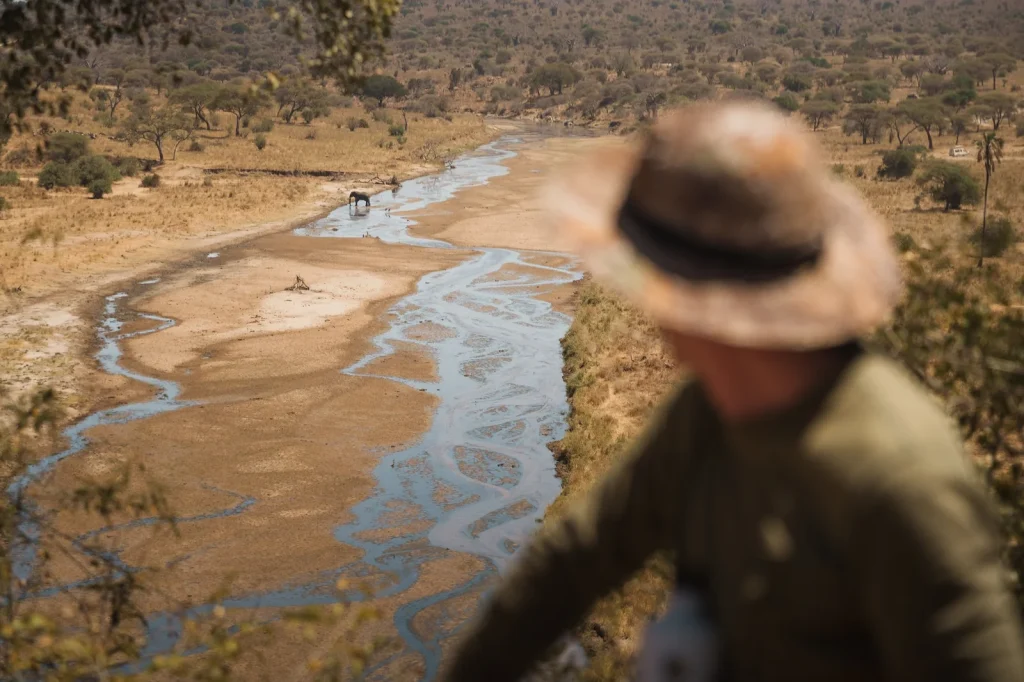

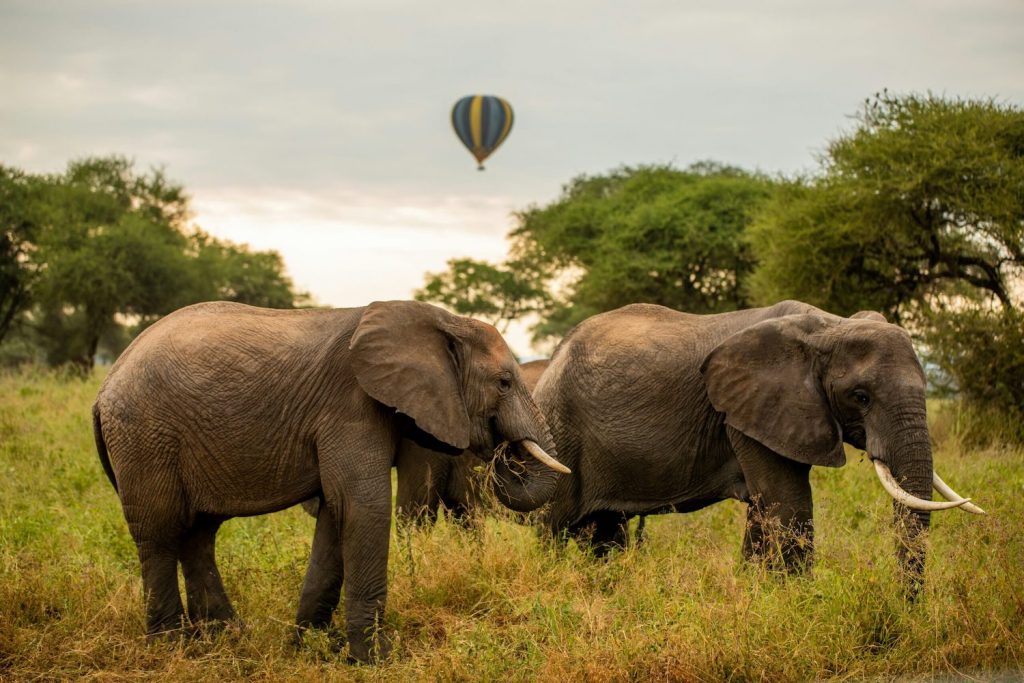
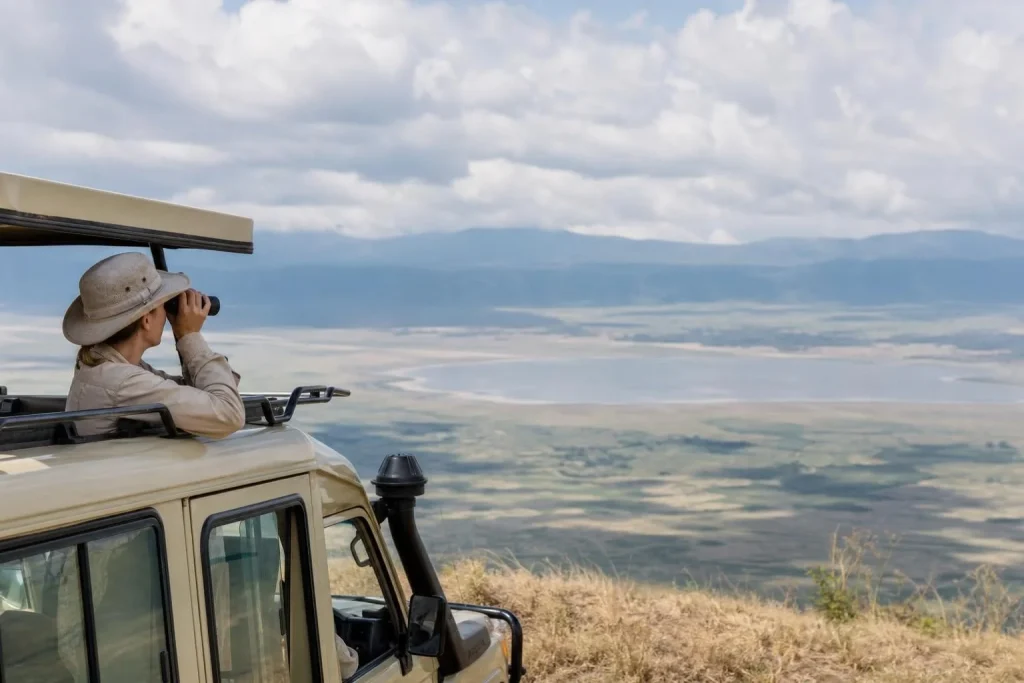

Tarangire National Park spans at approximately 2,850 sq km, making it one of Tanzania’s largest protected wildlife areas. The park takes its name from the Tarangire River, a permanent water source that sustains wildlife throughout much of the year. Tarangire is widely known for its large elephant population and the centuries-old baobab trees that dominate its landscapes.
During the dry season, animals from surrounding dispersal areas move toward the river, creating wildlife concentrations that rival those found in parts of the Serengeti ecosystem. Its combination of open grasslands, seasonal wetlands, river valleys, and baobabs gives the park its own identity.
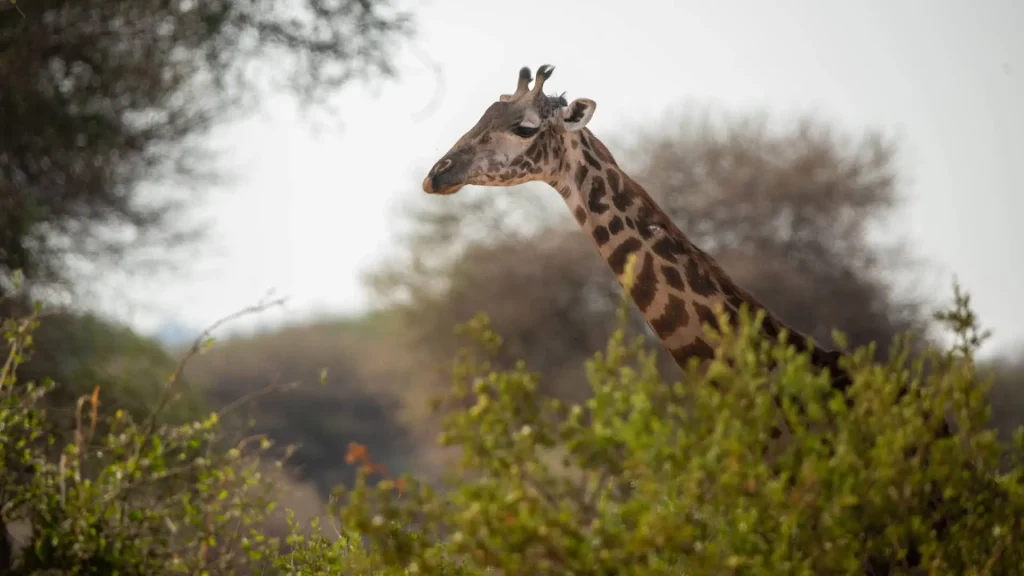
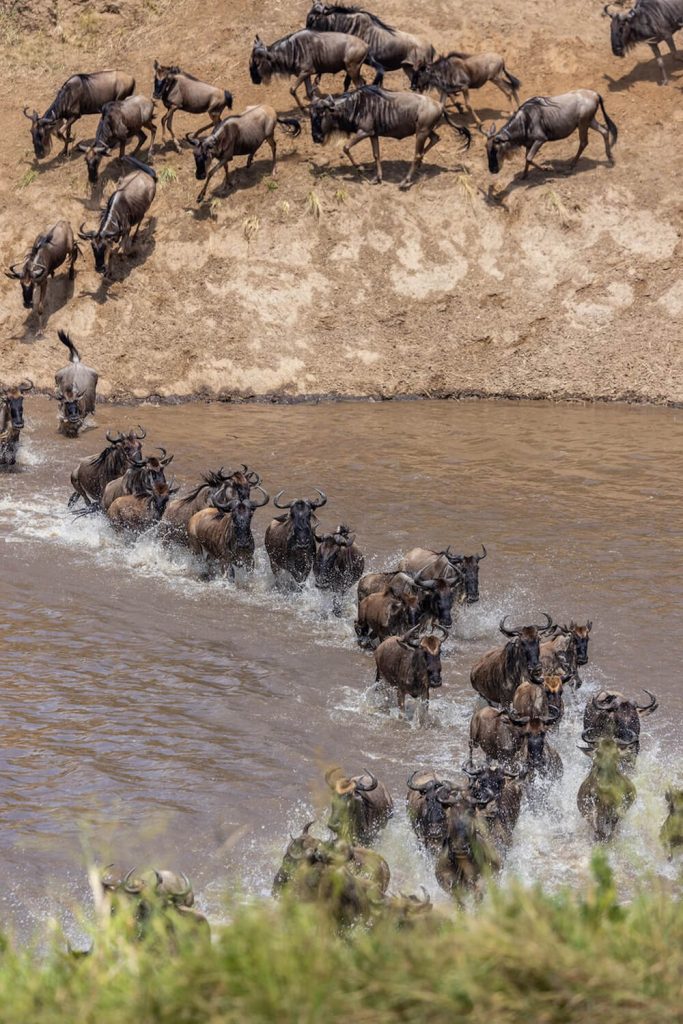
Tarangire supports one of the highest concentrations of wildlife, particularly during the dry season when animals gather near the Tarangire River. The park is best known for its elephants, with several thousand individuals recorded within the ecosystem. Large herds of buffalo, zebra, wildebeest, giraffe, impala, waterbuck, and eland are commonly seen, while predators such as lion, leopard, cheetah, and spotted hyena patrol the plains and woodlands.
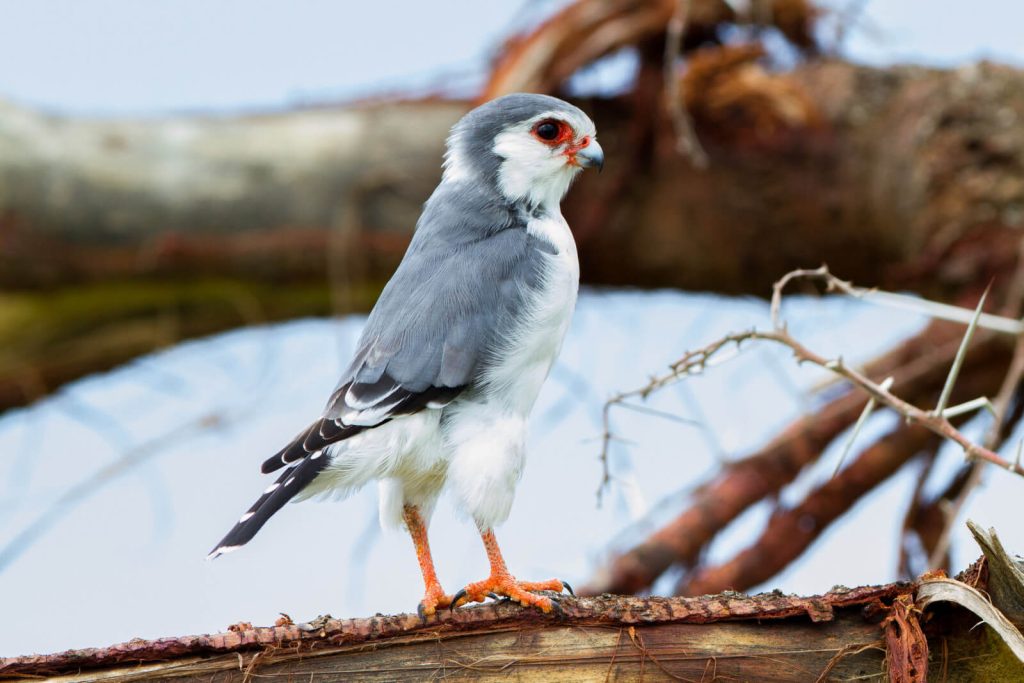
Tarangire is also an important destination for birdwatching, with more than 550 bird species documented, making it one of the richest bird habitats in East Africa.
The park’s ecosystem extends well beyond the park boundaries and covers a much larger landscape used by migratory wildlife throughout the year. At its central part is the Tarangire River, which attracts animals during periods of drought when seasonal water sources dry up.
The ecosystem consists of acacia woodlands, riverine vegetation, open grasslands, seasonal swamps, and scattered baobab groves. These varied habitats support a wide range of species and contribute to the seasonal wildlife movements that are often compared to those of the Serengeti, although on a smaller scale.
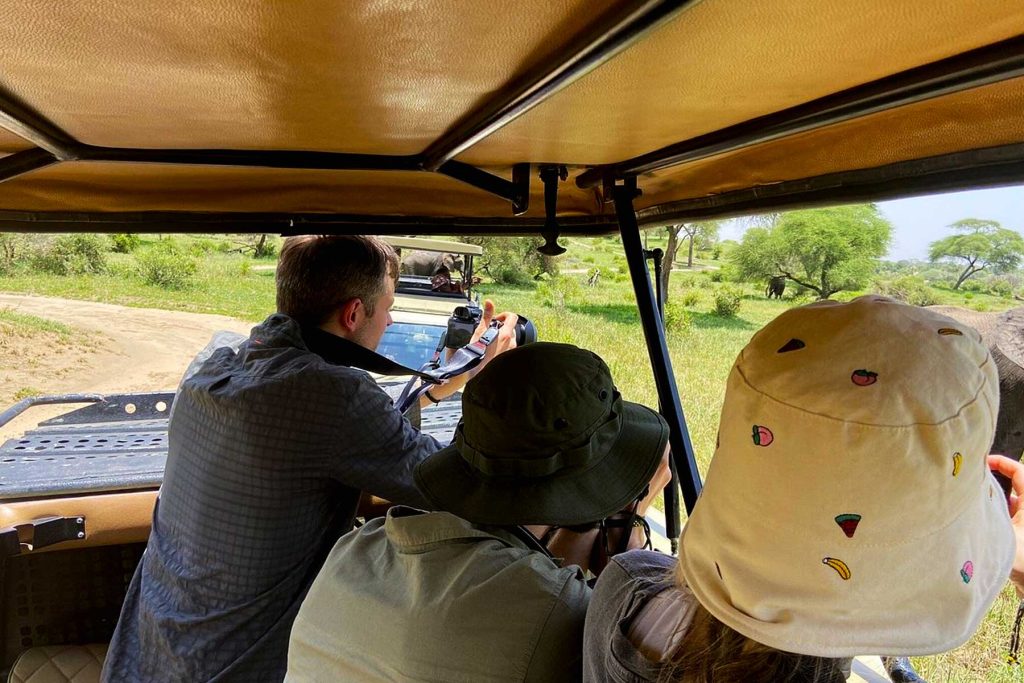
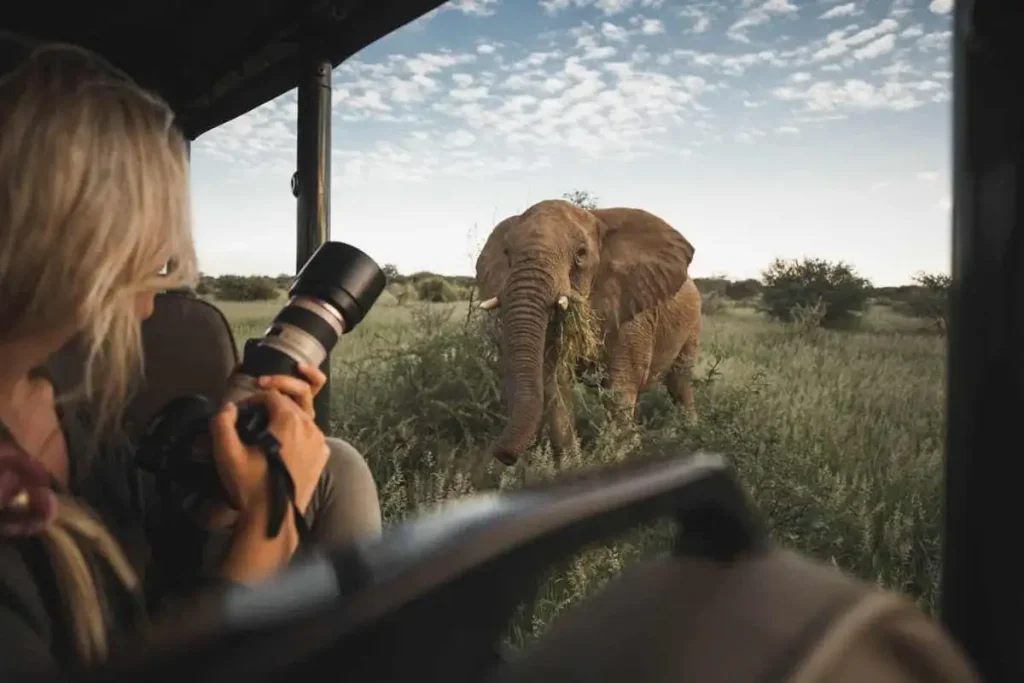
A game drive in Tarangire offers the most effective way to explore the park’s diverse habitats and wildlife concentrations. Morning and afternoon excursions offer opportunities to observe elephants, large herbivore herds, predators, and birdlife while covering substantial sections of the park’s extensive road network.
With more than 550 recorded bird species, Tarangire attracts bird enthusiasts throughout the year. The park’s wetlands, woodlands, and riverine habitats support a remarkable variety of resident and migratory birds, including hornbills, bee-eaters, kingfishers, and raptors.
Tarangire offers excellent photographic opportunities due to its open landscapes, large elephant herds, the strange baobab trees, and seasonal wildlife gatherings. The changing light conditions during early morning and late afternoon create favorable conditions for wildlife and landscape photography.
Selected cultural experiences near the park provide insight into the traditions and daily life of local communities. These tours may include interactions with Maasai families and an opportunity to learn about long standing connections between people and the land.
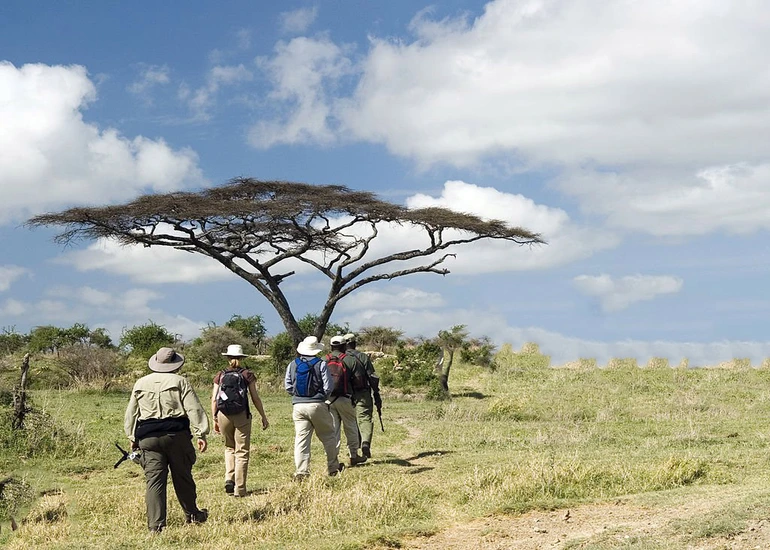
Walking safaris are available in designated areas under the guidance of armed park rangers and experienced guides.
Exploring on foot allows visitors to focus on animal tracks, plants, smaller wildlife, and ecological details that are often overlooked during vehicle-based safaris.
Covering approximately 14,763 sq km, Serengeti National Park ranks among Africa’s most significant protected wildlife areas.
Tarangire National Park spans at approximately 2,850 sq km, making it one of Tanzania’s largest protected wildlife areas.
The Ngorongoro Conservation Area is one of Tanzania’s most remarkable safari destinations, covering approximately 8,292 sq km in the northern part of the country