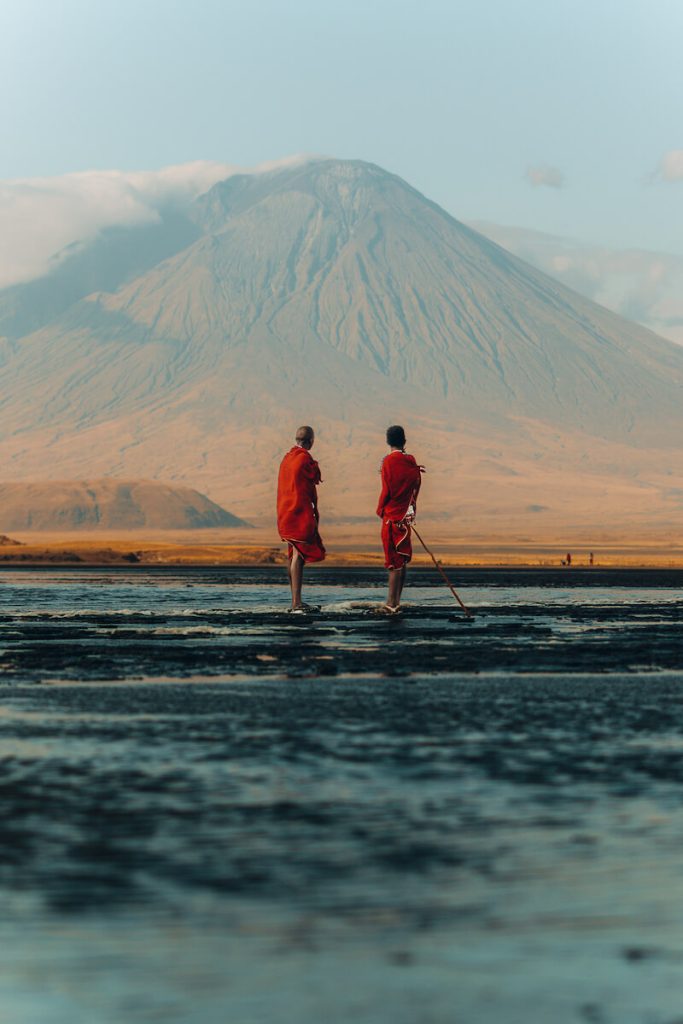
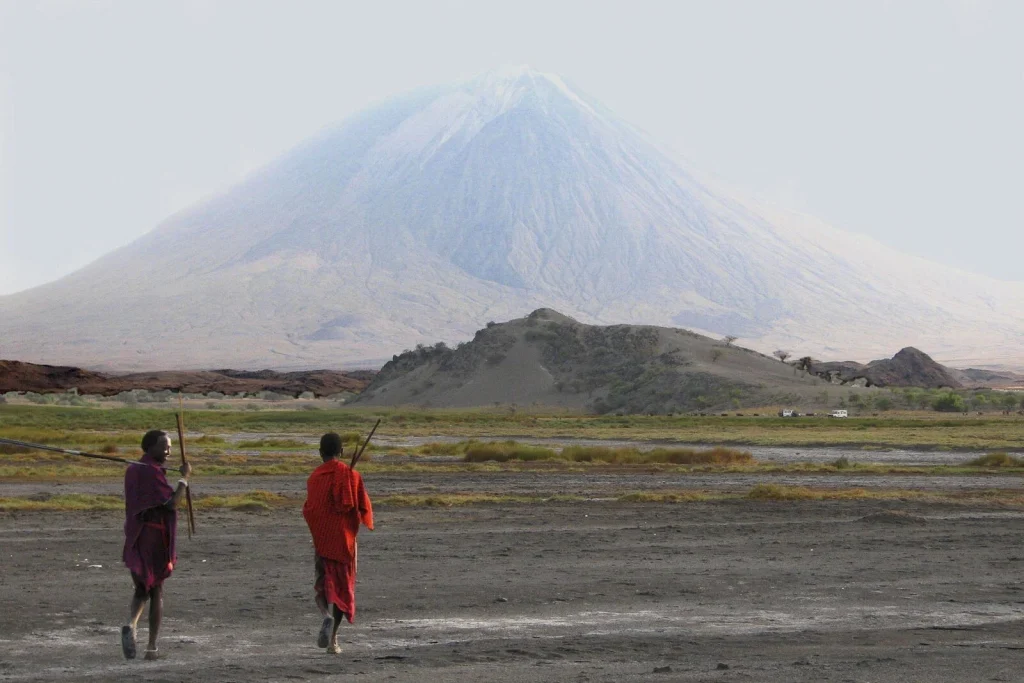

Ol Doinyo Lengai, meaning “Mountain of God” in the Maa language, is found south of Lake Natron and within the wider Ngorongoro volcanic landscape. Standing at 2,962 m above sea level, it is the only active volcano in the world known to produce natrocarbonatite lava, a rare type of lava with a chemical composition unlike that of typical volcanoes. The mountain forms part of the geological system associated with the Ngorongoro Conservation Area and the East African Rift Valley. It offers one of the country’s most demanding trekking experiences.
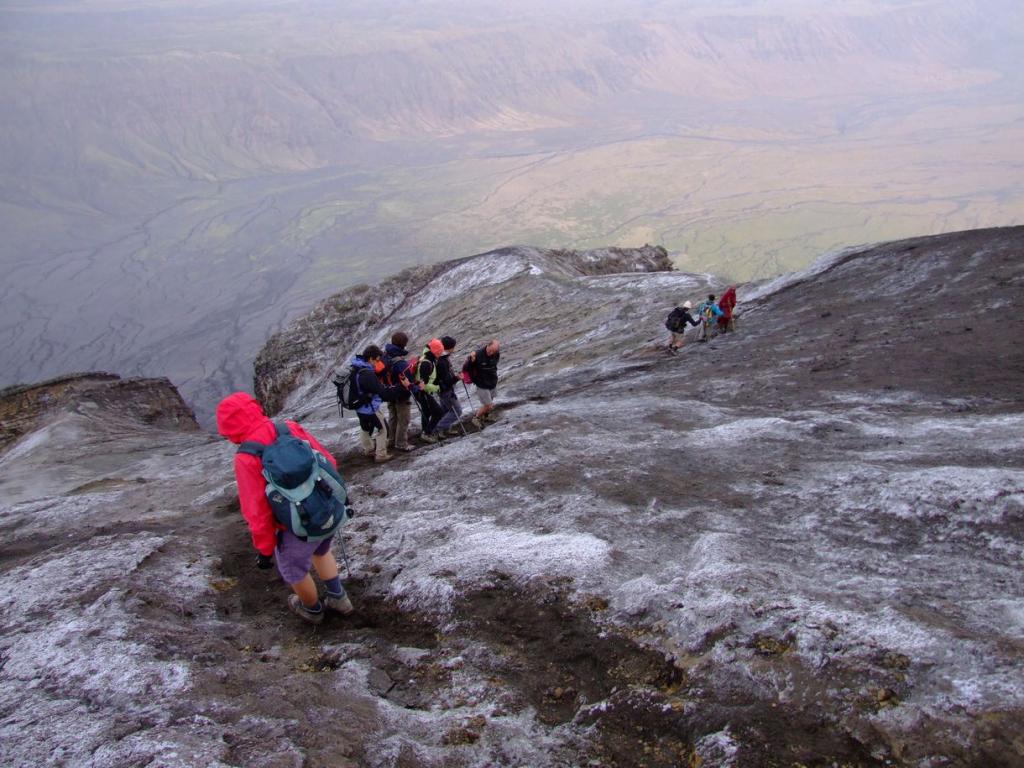
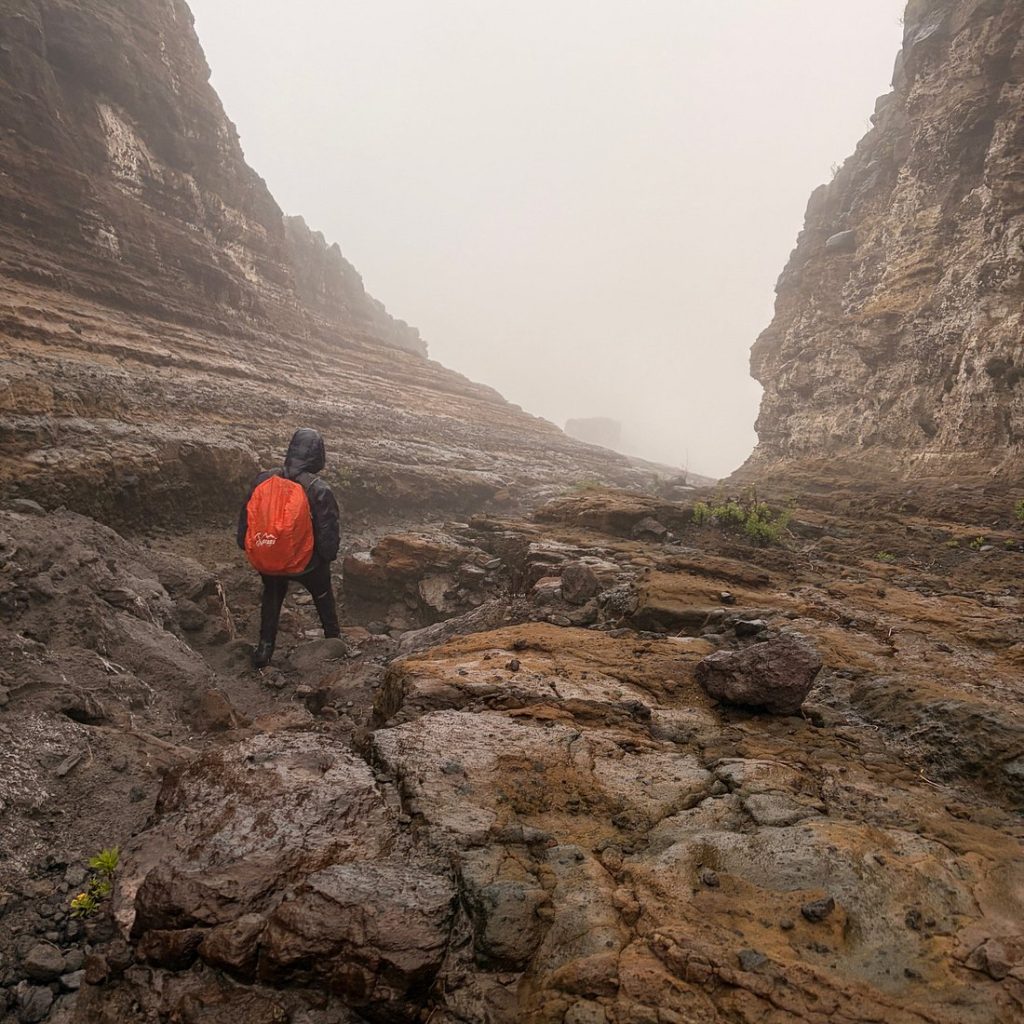
Most ascents begin shortly before midnight, allowing climbers to tackle the steep slopes during cooler temperatures and reach the summit at sunrise. The climb generally takes between 5 and 7 hours to the top and about 3 to 5 hours for the descent, depending on fitness and trail conditions. The route is physically demanding, requiring strong stamina, and sure footing. No technical climbing equipment is required under normal conditions, though the ascent is best suited to experienced hikers seeking a serious challenge beyond traditional mountain trekking.
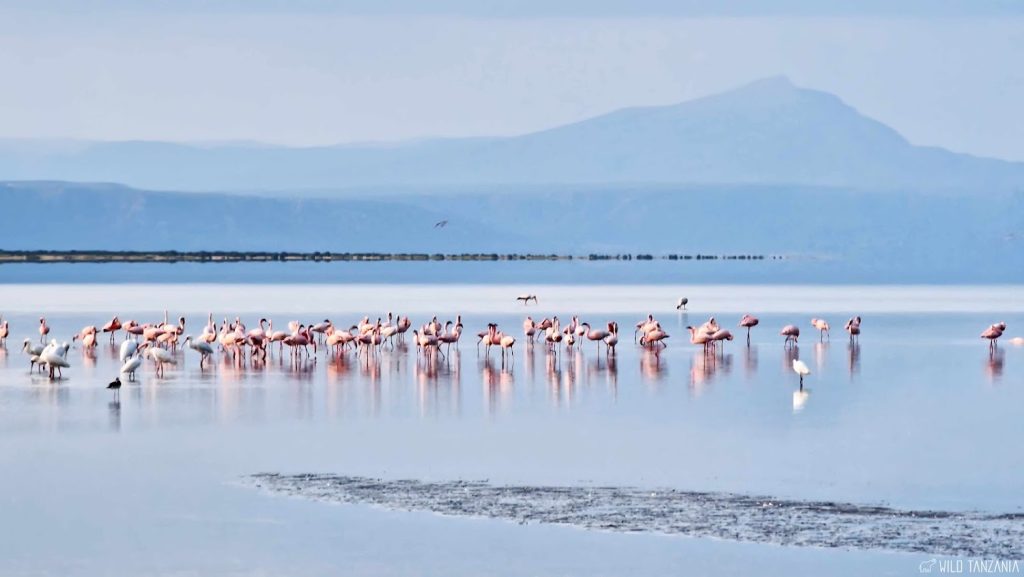
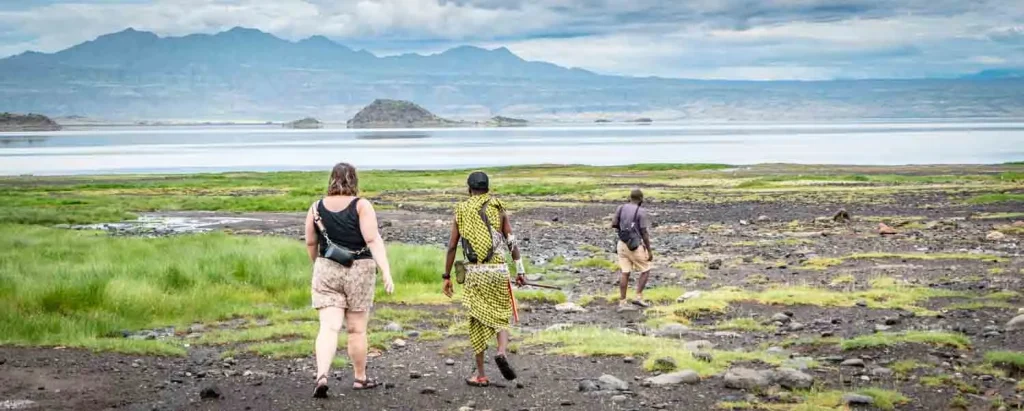
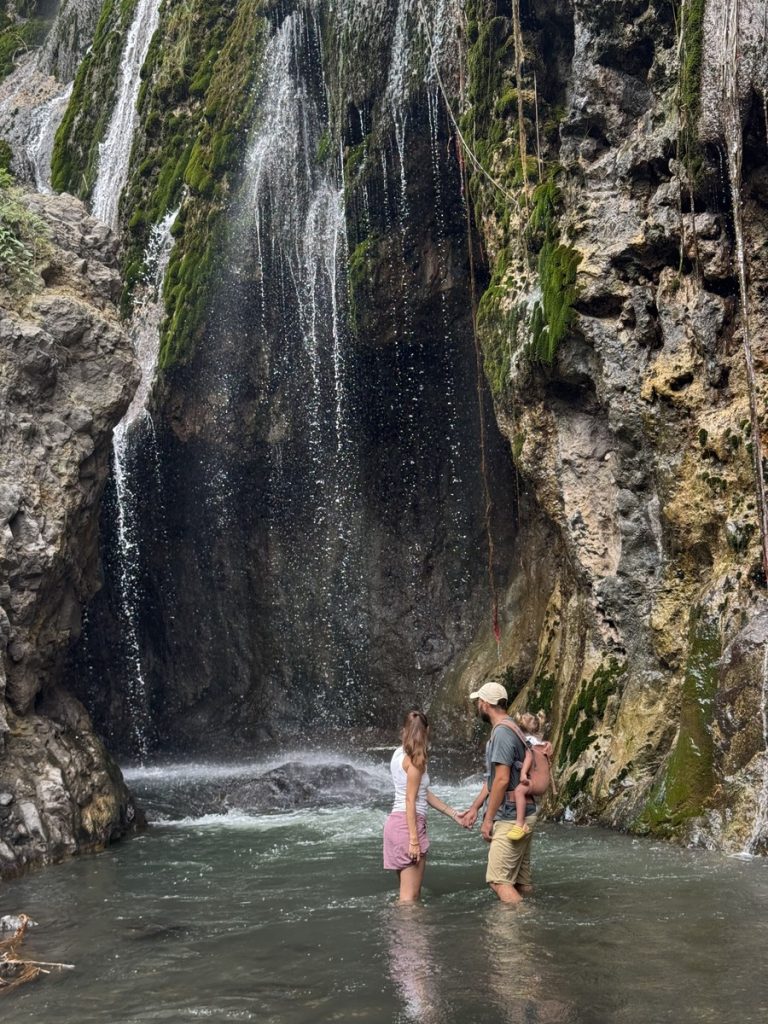
Located at the foot of Ol Doinyo Lengai, Lake Natron is a shallow alkaline lake that stretches along the Kenya-Tanzania border within the Rift Valley. The lake provides one of the most important breeding grounds for lesser flamingos, with hundreds of thousands gathering here during nesting periods. The surrounding landscape features volcanic escarpments, seasonal streams, waterfalls, and open plains that support a variety of wildlife. Many safari itineraries include Lake Natron as a stop between Serengeti and Ngorongoro.
The region is home to Maasai communities whose presence dates back generations. Cultural visits provide an opportunity to learn about livestock keeping, traditional homesteads, social customs, and daily life in one of Tanzania’s most distinctive pastoral societies.
Activities are usually led by local community members, offering direct insight into Maasai communities.