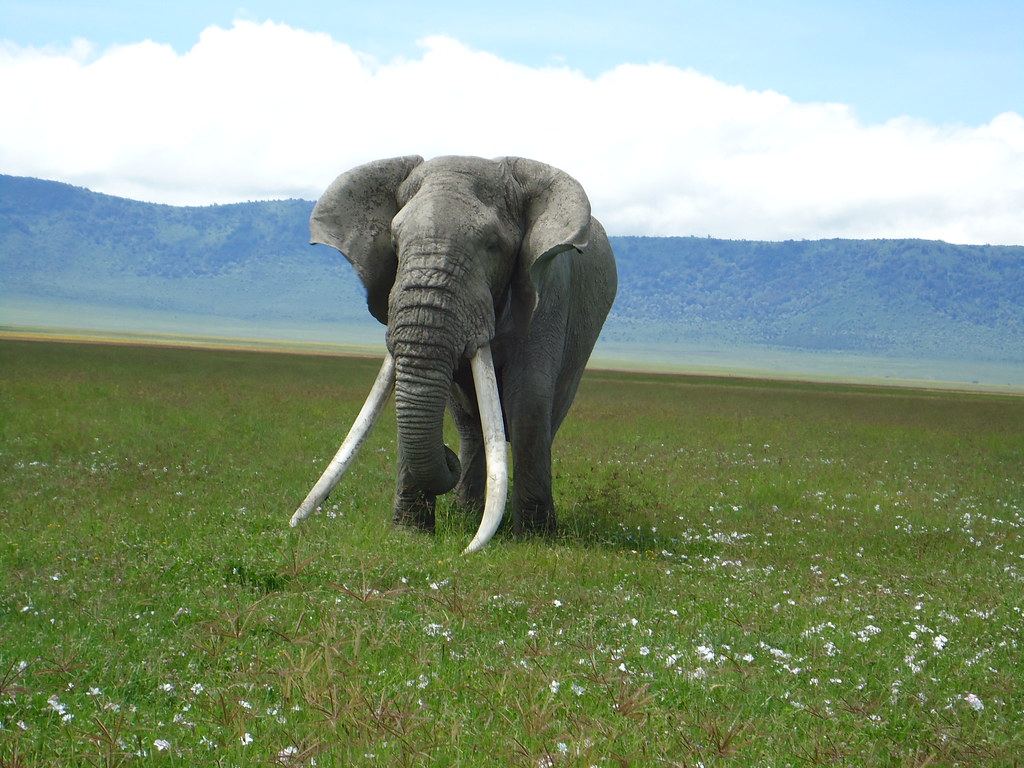
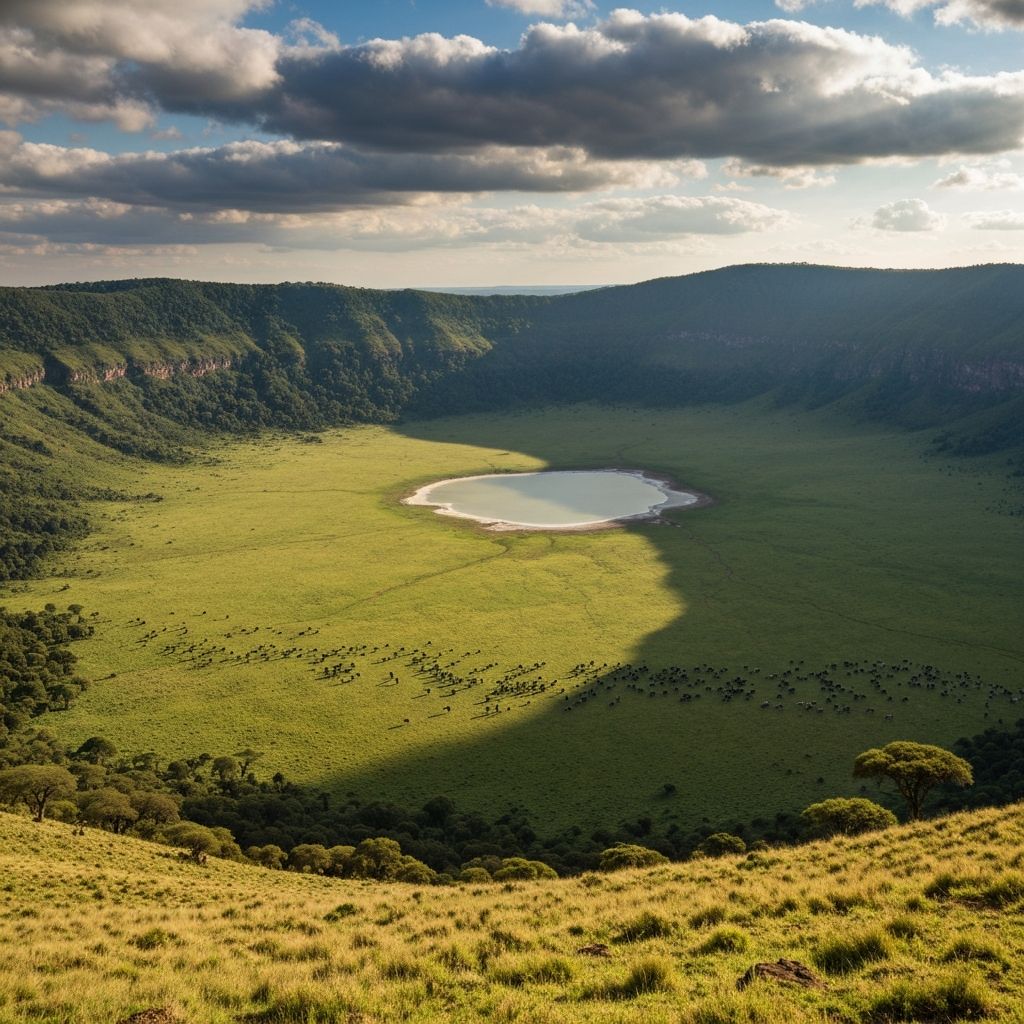

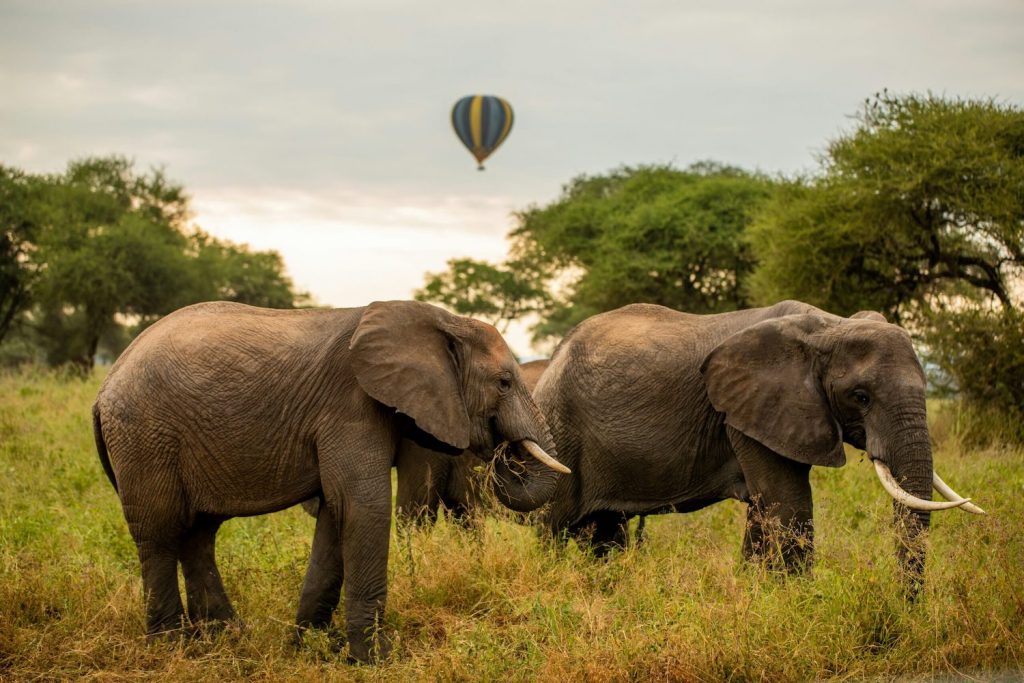
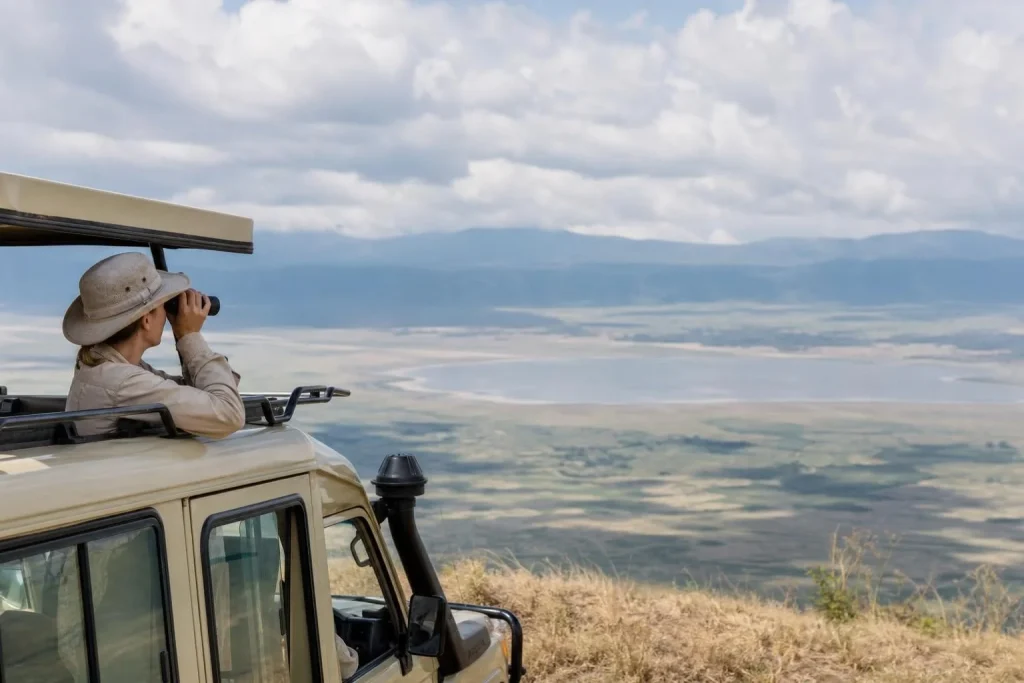

The Ngorongoro Conservation Area is one of Tanzania’s most remarkable safari destinations, covering approximately 8,292 sq km in the northern part of the country. The name “Ngorongoro” is believed to originate from the Maasai word referring to the sound made by cattle bells. Boasting a UNESCO World Heritage Site status, the Ngorongoro Conservation Area is known for its volcanic landscapes, permanent wildlife populations, and the long-standing presence of Maasai pastoralists. At its heart lies the Ngorongoro Crater, a natural enclosure that supports an exceptional concentration of wildlife, including lion, leopard, elephant, buffalo, and the critically endangered black rhinoceros. The area forms part of the greater Serengeti ecosystem and remains one of the few places in East Africa where a broad range of habitats and wildlife can be explored within a relatively compact area
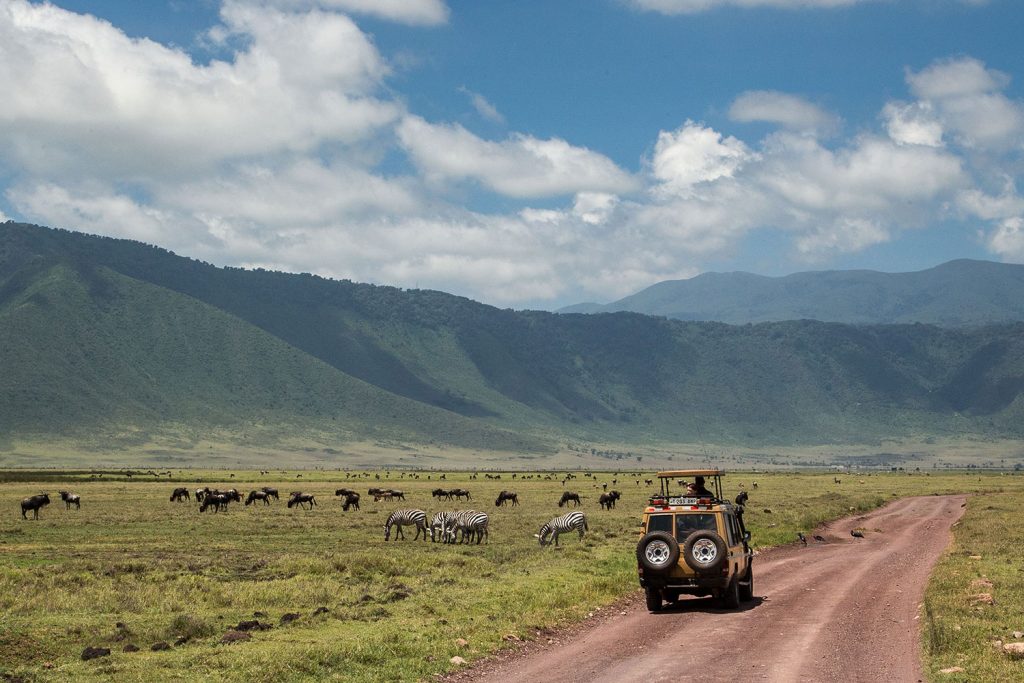
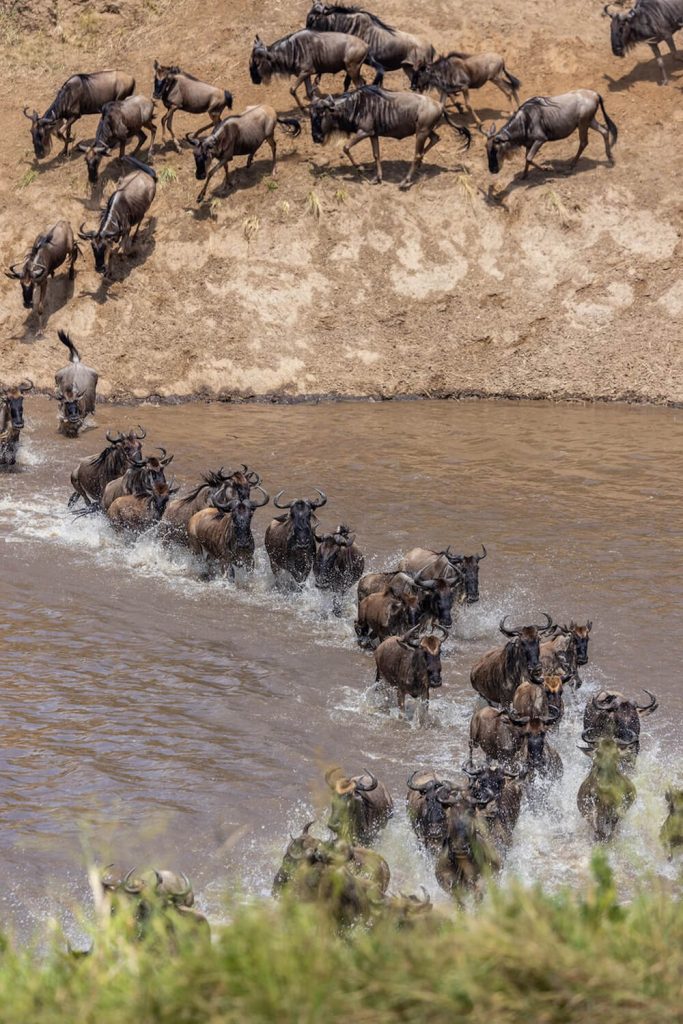
Ngorongoro Crater supports one of the highest wildlife densities in Africa, with an estimated 25,000 to 30,000 large mammals occupying the crater floor throughout much of the year. Large herds of wildebeest, zebra, buffalo, and gazelle graze the grasslands, providing a stable prey base for predators such as lion, spotted hyena, cheetah, and leopard. The crater is also one of Tanzania’s most reliable locations for viewing black rhinoceros. More than 500 bird species have been recorded within the conservation area, including flamingos, kori bustards, crowned cranes, secretary birds, ostriches, and numerous raptors. The combination of permanent water sources, open grasslands, swamps, and acacia woodland allows a wide range of species to thrive within a relatively small geographical area.
The Ngorongoro ecosystem extends well beyond the crater itself and includes highland forests, volcanic mountains, short grass plains, seasonal wetlands, and important wildlife corridors connecting neighboring protected areas. The crater was formed when a massive volcano collapsed inward approximately two to three million years ago, creating a caldera measuring about 260 square kilometers with walls rising more than 600 meters above the floor. Unlike many national parks, Ngorongoro operates as a multiple land use conservation area where wildlife and Maasai communities continue to coexist. This coexistence contributes to the unique character of Ngorongoro and offers insight into a way of life that remains closely connected to this area.
A game drive on the crater floor provides access to one of the highest concentrations of large mammals in East Africa. The enclosed nature of the caldera means wildlife remains present throughout the year, making sightings relatively consistent. Most animals including the black rhino are regularly encountered during a single-day game drive. Early morning departures often provide the most rewarding wildlife viewing conditions.
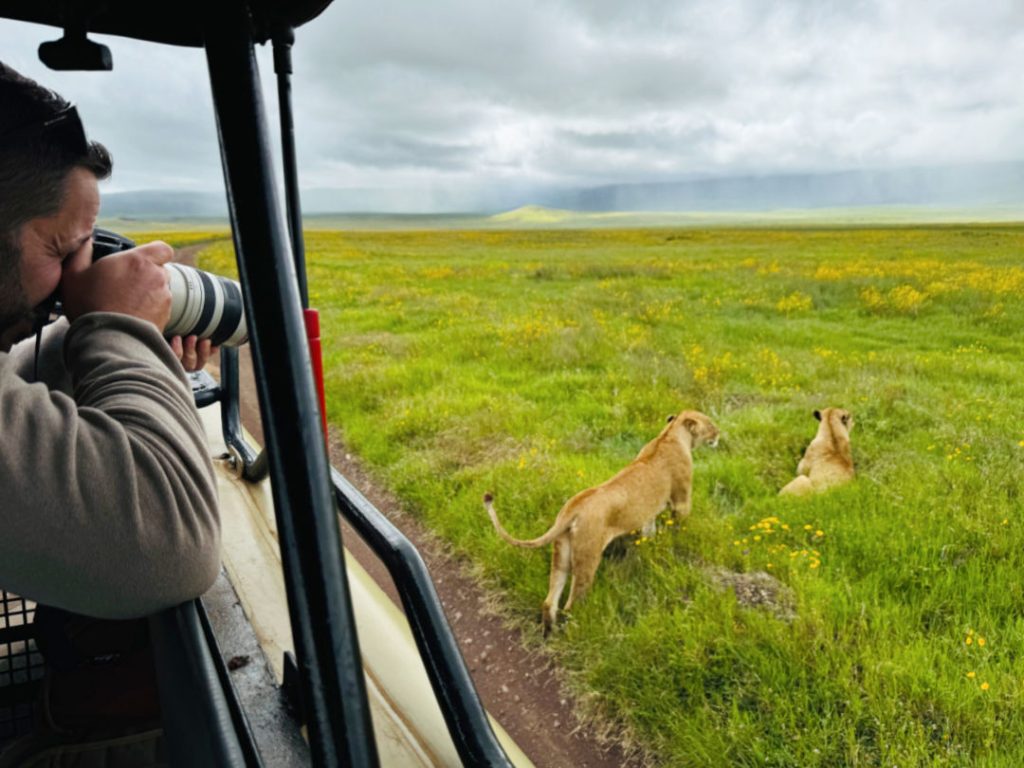
Ngorongoro offers strong photographic opportunities due to its varied landscapes and abundant wildlife. Seasonal changes influence vegetation cover, lighting conditions, and wildlife distribution, creating different photographic possibilities throughout the year.
More than 500 bird species have been recorded within the conservation area, making Ngorongoro a rewarding location for bird enthusiasts. Highland forests surrounding the crater host a separate group of species, including turacos, hornbills, and sunbirds. Bird activity remains productive throughout much of the year.
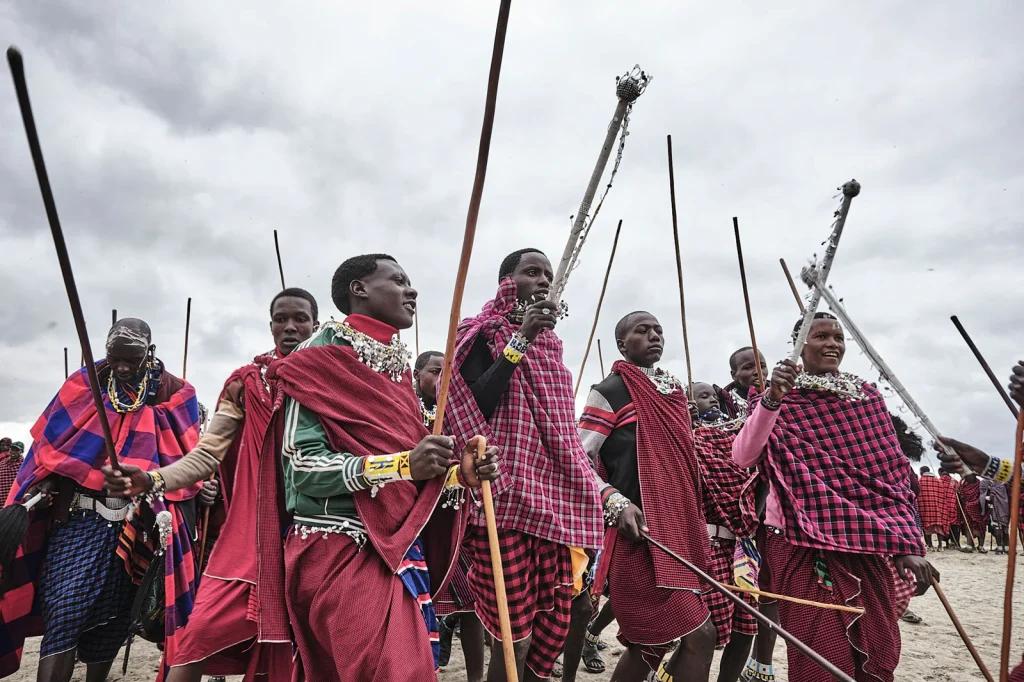
The Ngorongoro Conservation Area is one of the few protected game reserves in Tanzania where local communities continue to live alongside wildlife. Visits to Maasai settlements provide insight into pastoral traditions, livestock management practices, architecture, and daily life.
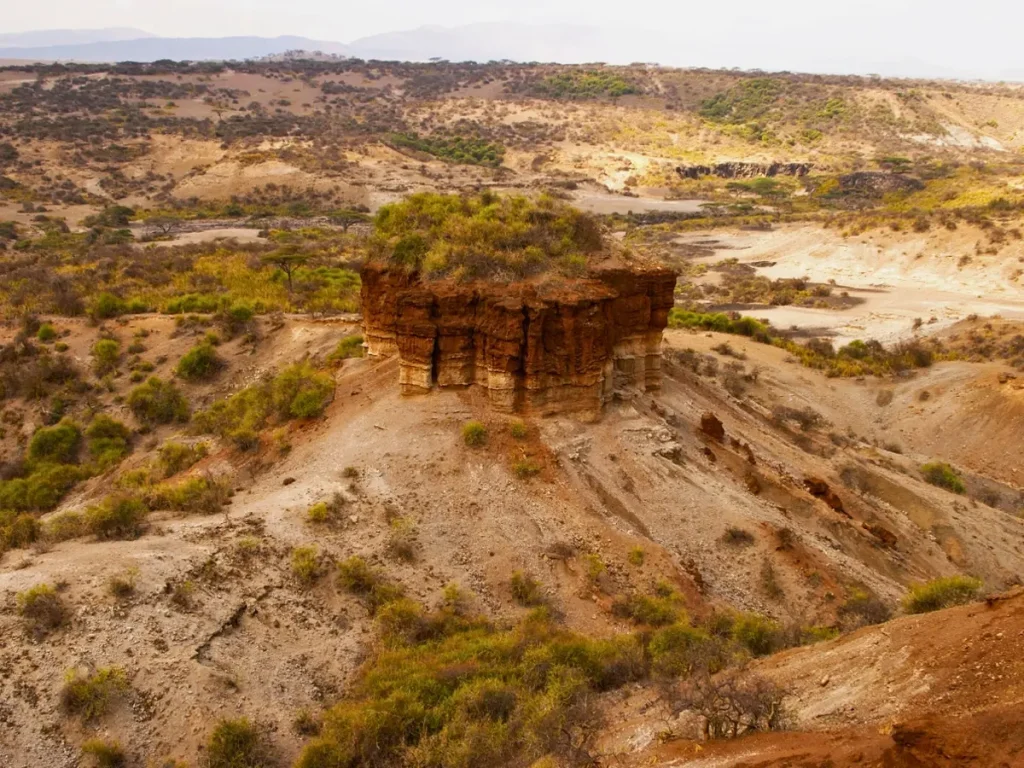
Located within the greater conservation area, the Olduvai Gorge is regarded as one of the most significant paleoanthropological sites in the world. Research conducted here contributed substantially to the understanding of early human evolution. A visit typically includes exhibits detailing archaeological discoveries, fossil evidence, and the geological history of the region.
Covering approximately 14,763 sq km, Serengeti National Park ranks among Africa’s most significant protected wildlife areas.
Tarangire National Park spans at approximately 2,850 sq km, making it one of Tanzania’s largest protected wildlife areas.
The Ngorongoro Conservation Area is one of Tanzania’s most remarkable safari destinations, covering approximately 8,292 sq km in the northern part of the country