
Covering approximately 325 square kilometers along the base of the Great Rift Valley escarpment, Lake Manyara National Park is one of the northern Tanzania’s most diverse wildlife areas. The park takes its name from the Lake Manyara itself, a shallow alkaline lake that occupies nearly two thirds of the protected area and attracts large concentrations of waterbirds.
Although often overlooked in favor of larger parks in the Northern Circuit, Lake Manyara has earned a strong reputation for its tree climbing lions, a behavior observed in only a handful of locations in Africa. The park is also known for supporting some of the largest baboon troops on the continent. Within a relatively compact area, the park features groundwater forests, open grasslands, acacia woodlands, hot springs, and marshes, creating a remarkable range of habitats and wildlife viewing opportunities.
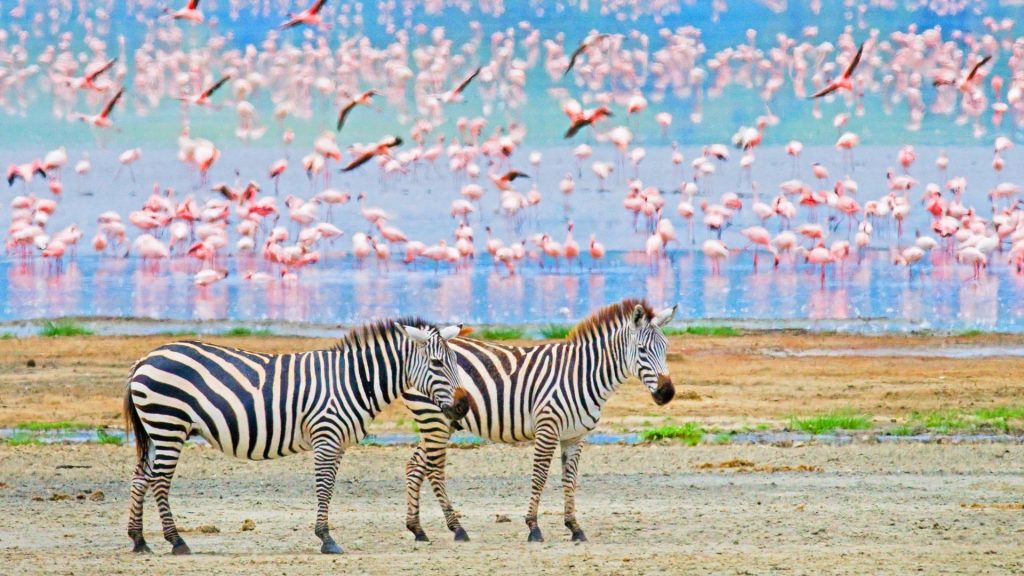
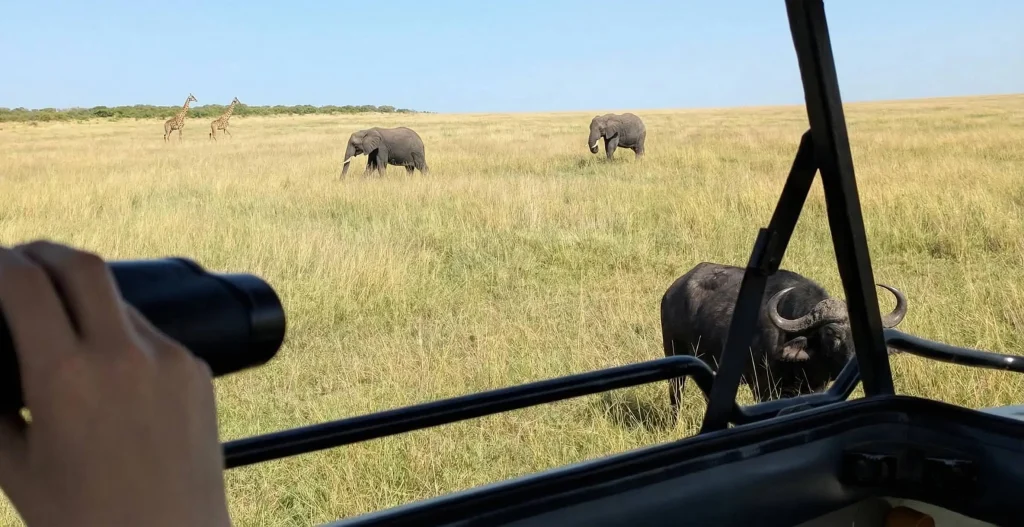
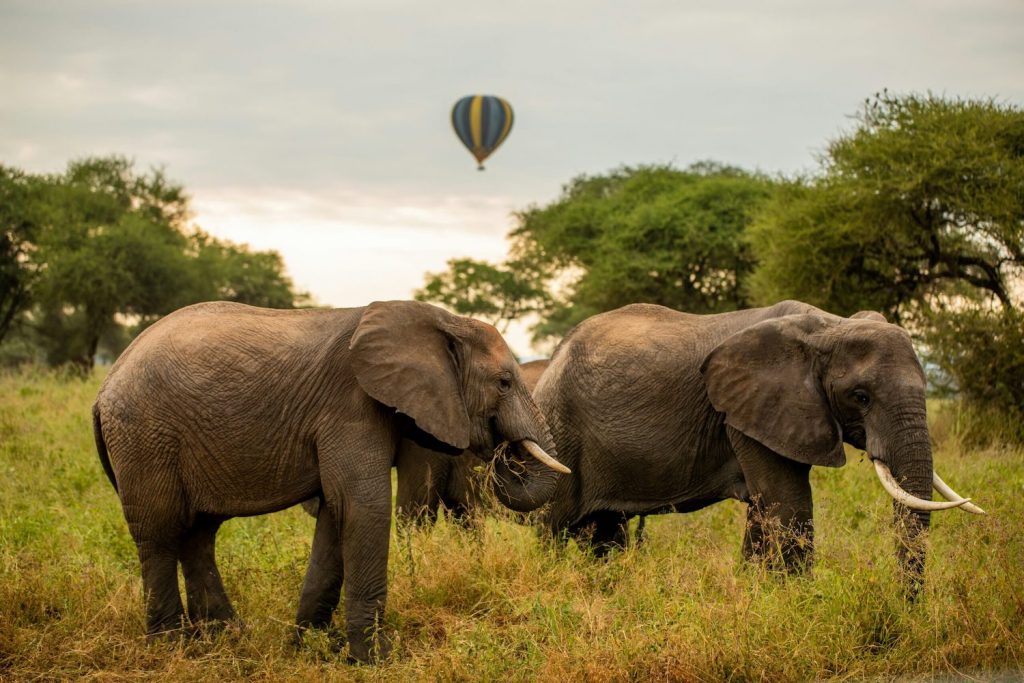
The park supports an impressive concentration of wildlife despite its modest size. Large mammals frequently seen include elephants, buffaloes, giraffes, zebras, wildebeests, warthogs, hippos, and several antelope species such as impalas and waterbucks. Predators include lions, spotted hyenas, leopards, and smaller carnivores, though sightings vary with conditions and season.
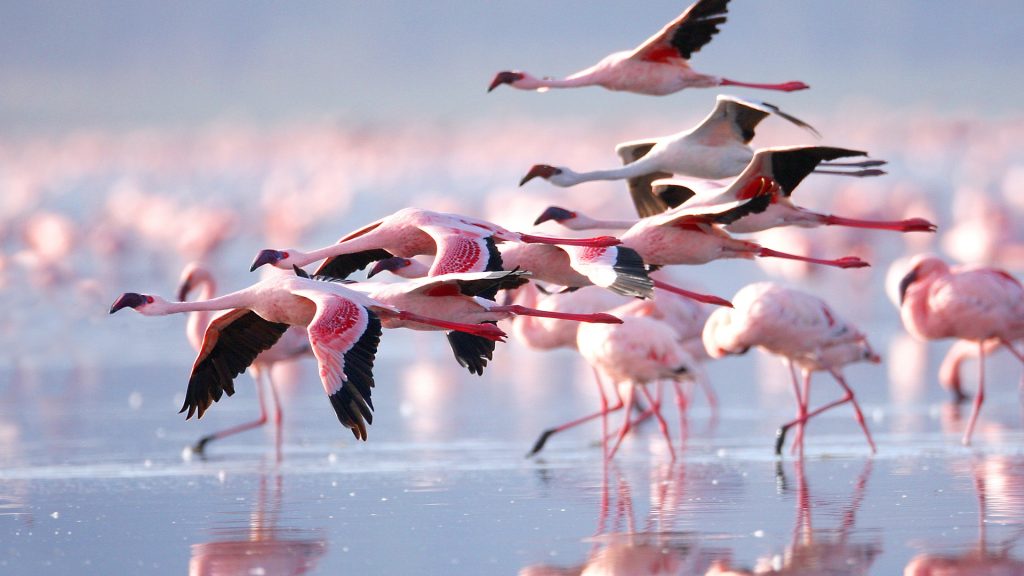
The park’s baboon population is particularly remarkable, with troops sometimes numbering well over one hundred individuals. Birdlife is equally impressive, with more than 400 recorded species. Flamingos gather along the lakeshore when water conditions are favorable. Other species such as pelicans, storks, herons, hornbills, kingfishers, fish eagles, and numerous migratory species contribute to year-round birdwatching opportunities.
The ecological diversity of Lake Manyara National Park is one of its defining characteristics. Permanent underground springs flowing from the Rift Valley escarpment nourish a dense groundwater forest dominated by giant fig and mahogany trees.
Beyond the forest, the landscape transitions into acacia woodland, open floodplains, marshes, and alkaline lake habitats. Seasonal fluctuations in water levels influence wildlife distribution and bird concentrations throughout the year.
This variety of habitats within a relatively small area supports a rich mix of plant and animal life and creates an environment that differs significantly from other national parks in the northern circuit.
Game drive is the most typical way of exploring the park. The network of roads passes through forests, grasslands, and lakeshore habitats, offering opportunities to observe elephants, giraffes, buffaloes, baboons, and the park’s well known tree climbing lions.
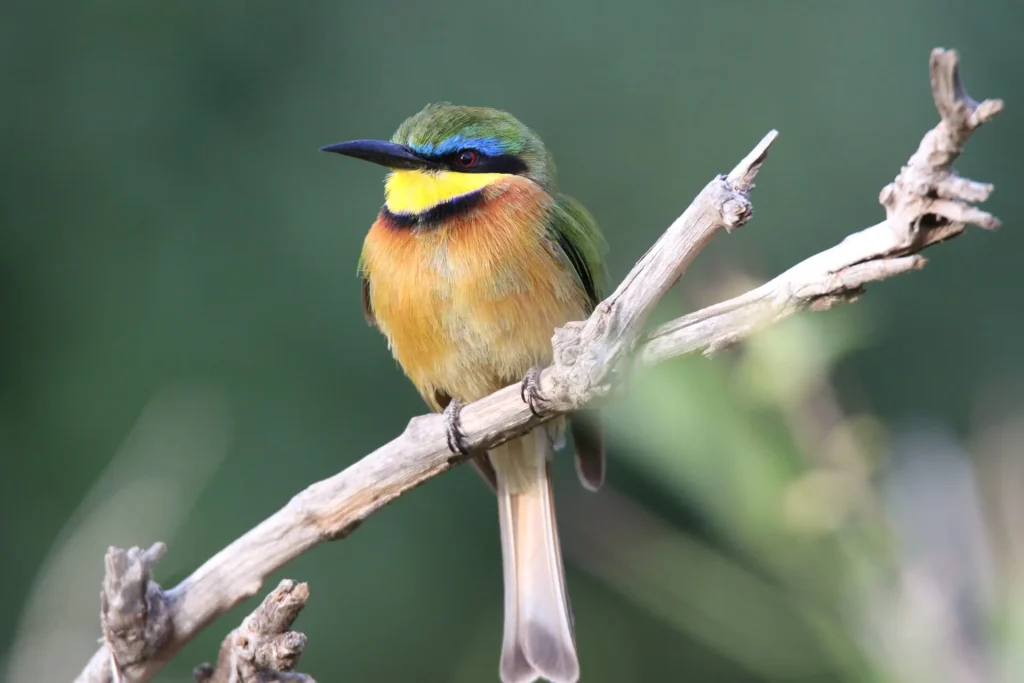
With more than 400 recorded bird species, Lake Manyara offers rewarding birdwatching throughout the year. Seasonal water conditions attract large numbers of waterbirds, while the park’s forests and woodlands support a wide variety of resident and migratory species.
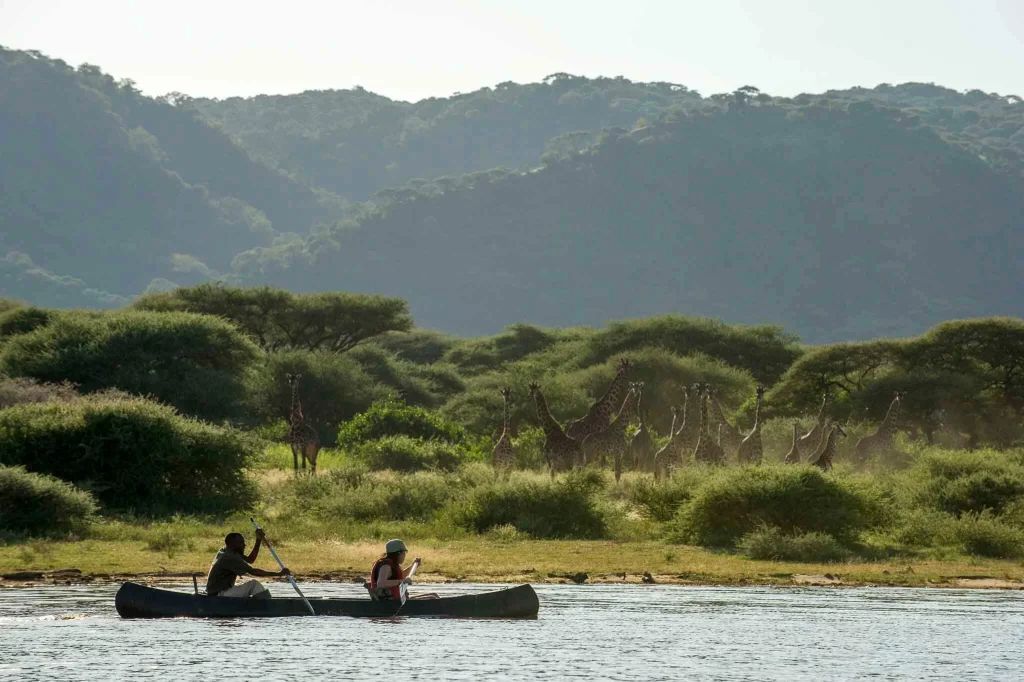
When conditions permit, canoeing provides a different perspective of the park. Paddling close to the shoreline allows visitors to observe waterbirds, hippos, and the Rift Valley escarpment from a vantage point unavailable during conventional game drives.
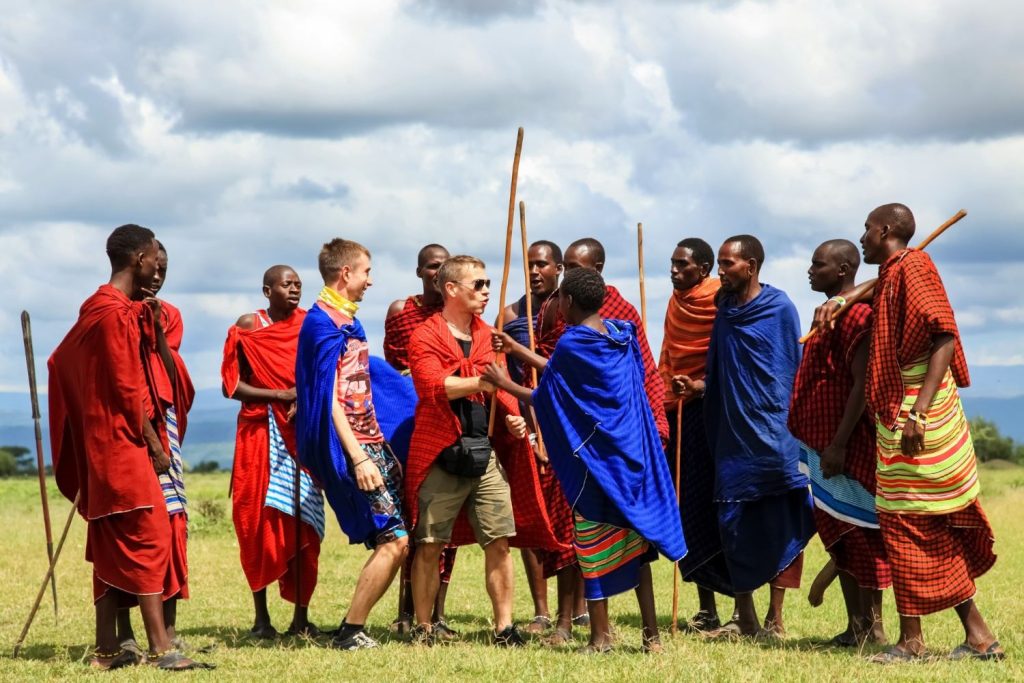
Visits to neighboring communities, especially Mto wa Mbu, provide insight into local traditions, livelihoods, and daily life beyond the park’s boundaries. These excursions complement wildlife viewing by introducing visitors to the cultural heritage associated with the region.
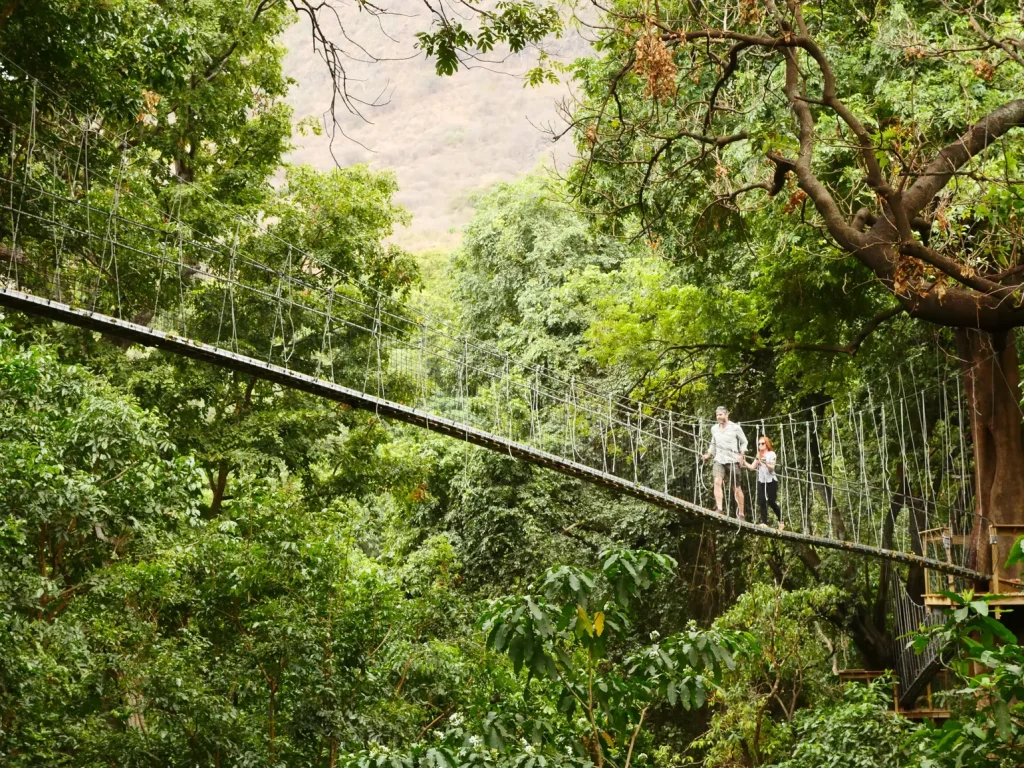
The treetop walkway passes through the upper canopy of the groundwater forest, offering a closer look at the park’s vegetation and birdlife. Elevated platforms provide views of the forest structure and occasional sightings of monkeys moving through the trees
Covering approximately 14,763 sq km, Serengeti National Park ranks among Africa’s most significant protected wildlife areas.
Tarangire National Park spans at approximately 2,850 sq km, making it one of Tanzania’s largest protected wildlife areas.
The Ngorongoro Conservation Area is one of Tanzania’s most remarkable safari destinations, covering approximately 8,292 sq km in the northern part of the country