
Mount Kilimanjaro
Africa's Highest Mountain and World's Highest Free-standing Mountain
Rising 5,895 m above sea level, Mount Kilimanjaro is the highest mountain in Africa and the tallest free-standing mountain on Earth. Part of the UNESCO World Heritage Site known as Kilimanjaro National Park, the mountain covers an area of approximately 1,688 sq km and attracts thousands of trekkers from every continent each year. Kilimanjaro is a dormant volcanic massif made up of three volcanic cones known as Kibo, Mawenzi, and Shira.
Unlike many major peaks around the world, climbing Kilimanjaro requires no technical mountaineering skills, making it accessible to people with good fitness and proper preparation. A trek to the summit is often compared to walking through several climate zones in a matter of days, from rainforest to alpine desert and Arctic zone near the summit. Depending on the route and pace of ascent, most climbs take between five and nine days.
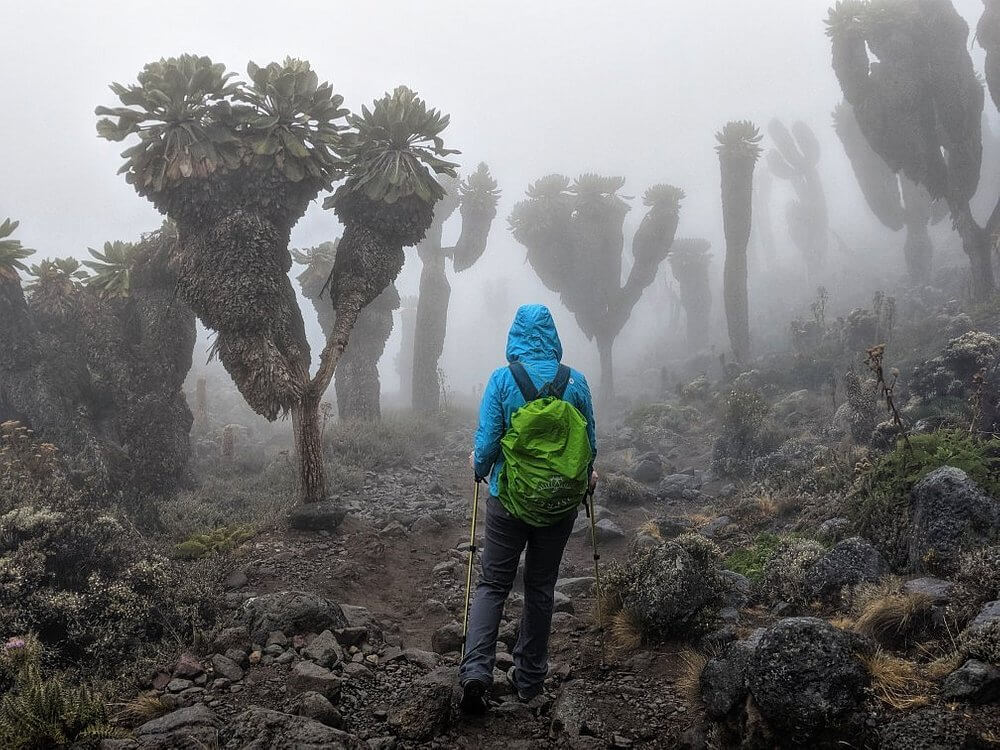
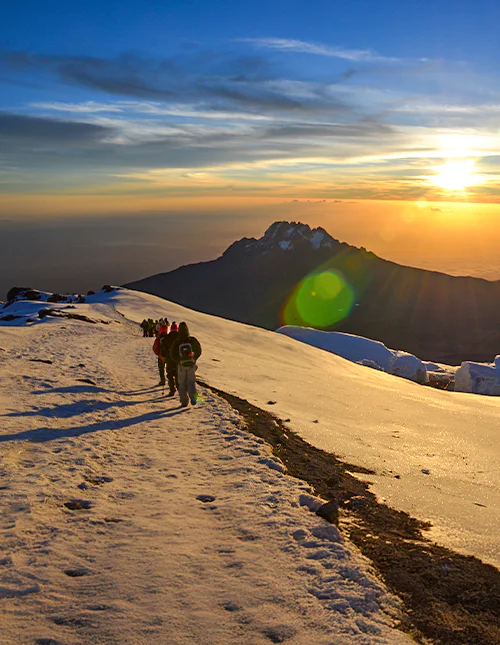
Kilimanjaro Climbing Packages
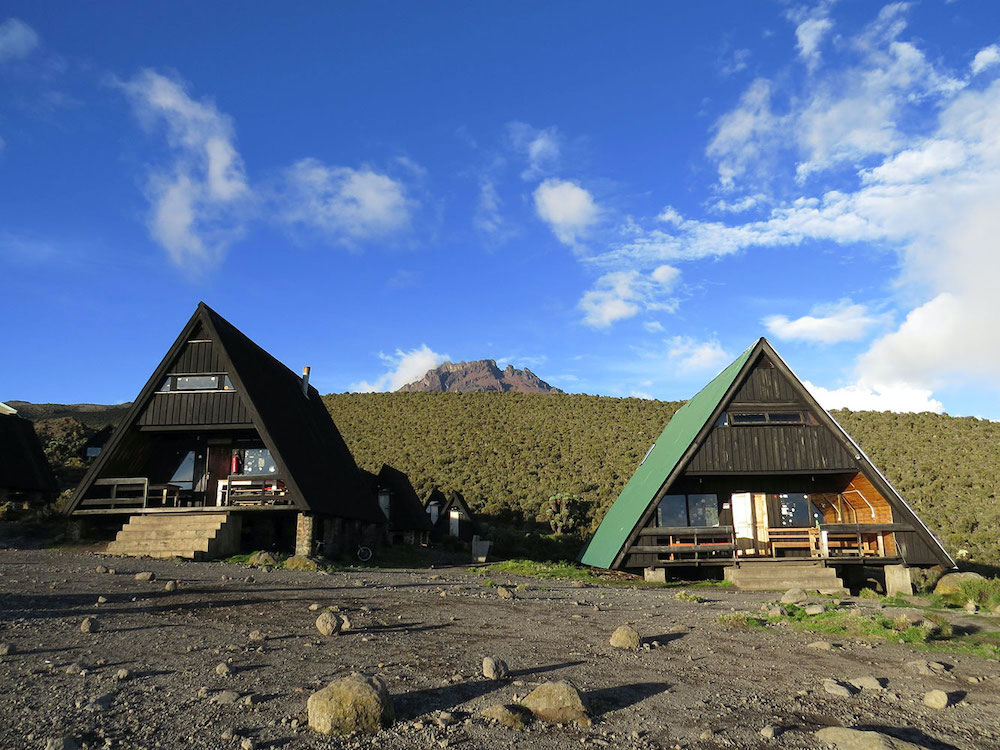
Marangu Route
Marangu Route is the fastest and one of the most well-established paths to the summit of Mount Kilimanjaro (5,895m).
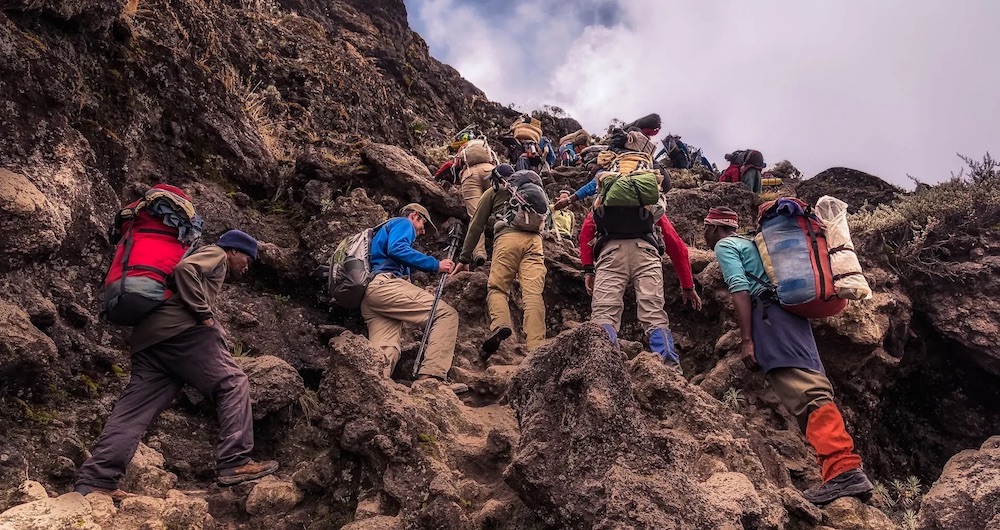
Machame Route
Known as the “Whiskey Route,” it provides trekkers with stunning landscapes, from lush rainforests to alpine deserts
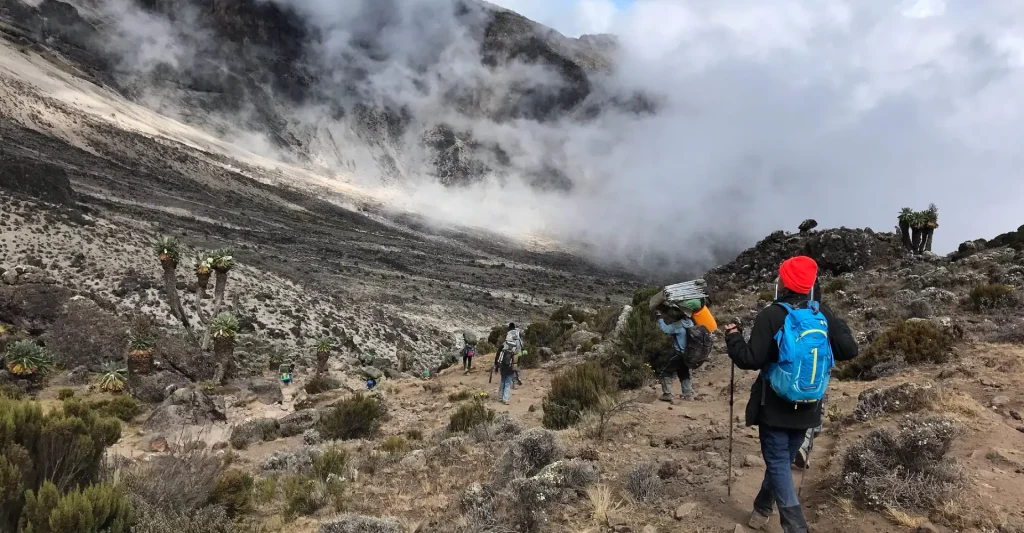
Lemosho Route
Lemosho Route is one of the most scenic and rewarding routes to the summit of Mount Kilimanjaro (5,895m).
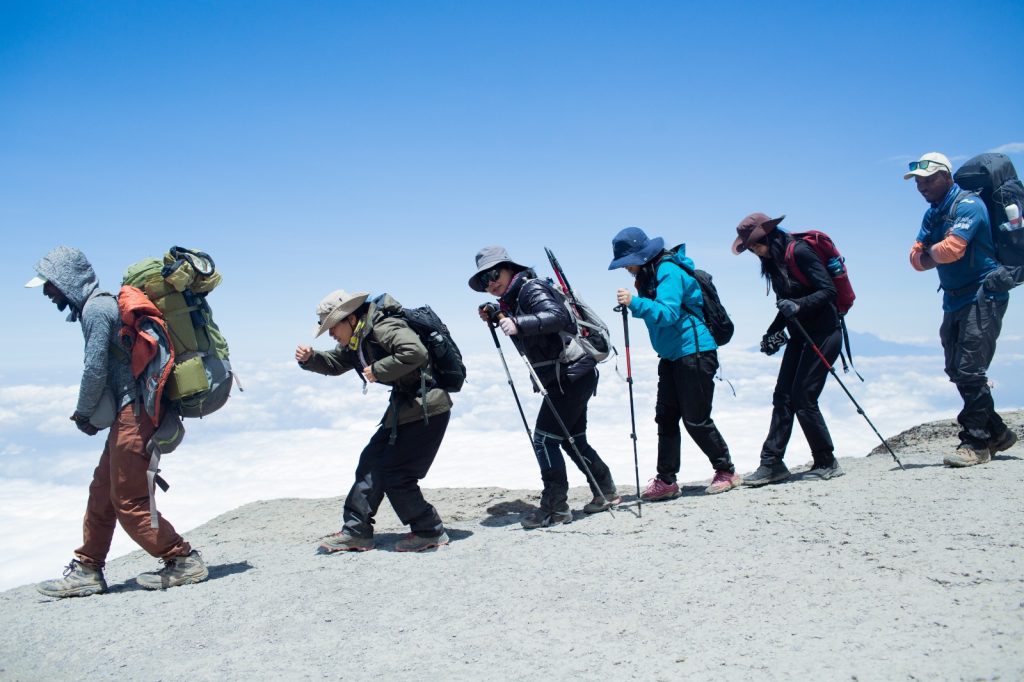
Rongai Route
This 6-day Rongai Route is one of the quieter and more scenic routes to the summit of Mount Kilimanjaro
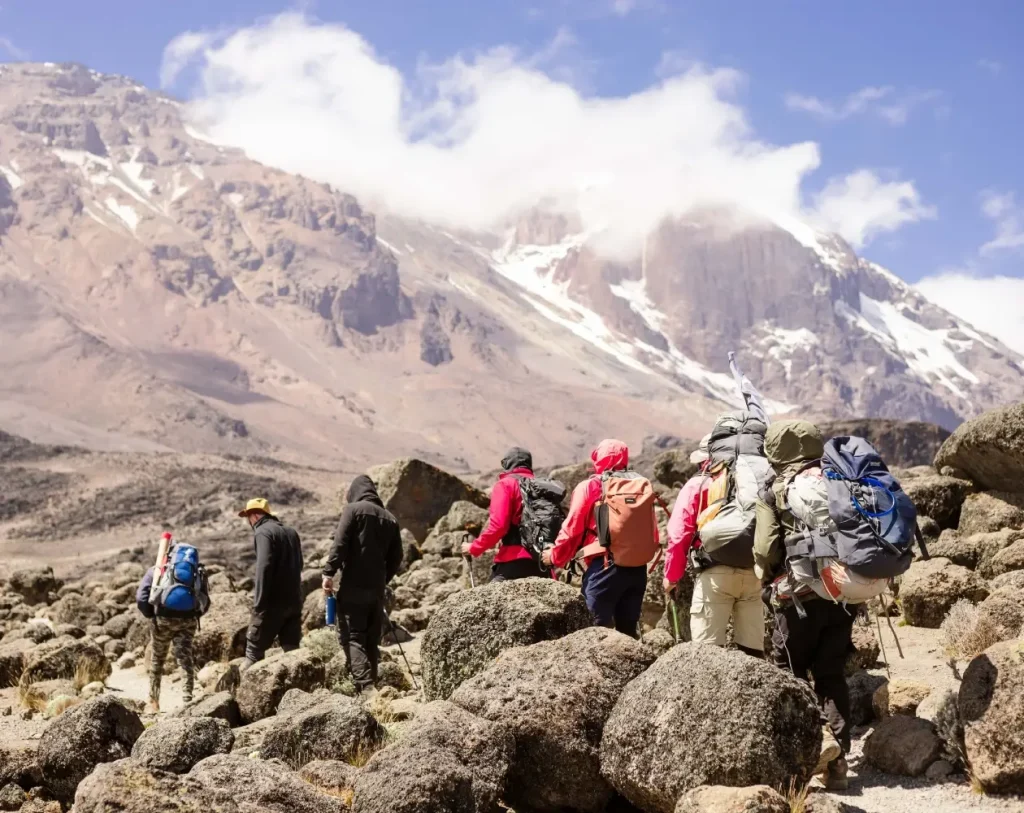
Umbwe Route
The 6-day Umbwe Route is one of the most challenging and adventurous routes to the summit of Mount Kilimanjaro (5,895m).
Let's plan your trip
Enquire now and a Travel Expert will get back to you within 24 hours.
THE KILIMANJARO TREKKING ROUTES
Known as the Roof of Africa, Kilimanjaro offers seven established trekking routes, each providing a distinct approach to the summit – known as Uhuru Peak. Differences in scenery, acclimatization profile, traffic levels, and duration make route selection one of the most important decisions when planning a climb.
Machame Route
The Machame Route approaches the mountain from the southwest and is one of the most preferred routes on Kilimanjaro. It is known for its varied scenery, passing through rainforest, moorland, alpine terrain, and high-altitude desert. The route follows a climb high and sleep low profile, which supports acclimatization. Most treks take six or seven days.
Marangu Route
Marangu is the oldest established route on Kilimanjaro and the only one that uses mountain huts rather than tents. Approaching from the southeast, it follows the same path for ascent and descent. The route is often selected by climbers seeking basic shelter facilities, though its shorter acclimatization profile can make summit success more challenging.
Lemosho Route
Starting on the western side of the mountain, the Lemosho Route is valued for its gradual ascent and strong acclimatization opportunities. The first days pass through relatively quiet sections of forest and moorland before joining the southern approaches to Kibo. Many climbers regard Lemosho as one of the most balanced routes in terms of scenery, acclimatization, and summit success.
Rongai Route
The Rongai Route begins near the Kenyan border on the northern side of Kilimanjaro. It is generally drier than the southern routes and receives less foot traffic. The landscape differs noticeably from other approaches, with open terrain and wide views. Climbers ascend from the north and descend through the Marangu side, creating a varied trekking experience.
Northern Circuit Route
The Northern Circuit is the longest route on Kilimanjaro and provides the most extensive acclimatization period. After beginning from the western side, the trail circles much of the mountain before reaching the summit area. Its extended itinerary allows climbers to spend more time at altitude, contributing to some of the highest summit success rates on Kilimanjaro.
Shira Route
The Shira Route starts at a higher elevation than most other routes and crosses the Shira Plateau during the early stages of the trek. The route shares much of its later course with Lemosho. Because the starting point is already relatively high, it may offer less time for initial acclimatization, though it rewards climbers with broad views from the outset.
Umbwe Route
Umbwe is the steepest and most direct route on Kilimanjaro. Beginning on the southern side, it gains altitude rapidly and offers fewer opportunities for gradual acclimatization. The route attracts experienced trekkers seeking a demanding ascent and generally sees lower numbers than the more established alternatives.
Kilimanjaro Climatic Zones
A climb on Kilimanjaro can feel like traveling several climatic zones within a single trek. Few places on Earth allow such a rapid transition. This dramatic change in altitude and climate makes acclimatization one of the most important factors in a successful ascent.
Cultivation Zone
Located on the lower slopes, this zone is characterized by farms, villages, coffee plantations, and fertile volcanic soils.
Local communities have cultivated these lands for generations, benefiting from reliable rainfall and moderate temperatures.
Rainforest Zone
The rainforest receives the highest levels of precipitation on the mountain. Dense vegetation, towering trees, moss covered trunks, and a rich variety of birds and mammals define this section. Blue monkeys and black and white colobus monkeys are occasionally seen here.
Heather and Moorland Zone
As elevation increases, the forest gradually gives way to shrubs, giant heathers, and distinctive alpine plants.
Temperatures become cooler and the landscape opens considerably, offering broad views of the mountain’s upper slopes.
Alpine Desert Zone
This zone is marked by dry conditions, strong sunlight during the day, and cold temperatures after sunset.
Vegetation becomes sparse as the environment grows harsher. Much of the terrain consists of volcanic rock, gravel, and exposed ridges.
Arctic Zone
Found near the summit, the Arctic Zone receives little precipitation and experiences freezing temperatures throughout much of the year. Oxygen levels are significantly lower than at sea level. Glaciers, ice formations, and volcanic features characterize the final section leading to Uhuru Peak, also known as the Roof of Africa.