
Arusha National Park is one of the most accessible safari destinations, located about 30.5 km from Arusha city and approximately 60 km from Moshi. Covering 552 sq km, the park takes its name from the Waarusha people who have lived in the surrounding area for generations. Although it receives fewer visitors than Serengeti or Ngorongoro, it remains one of the most rewarding destinations for a day trip from Arusha or Moshi.
The park is dominated by Mount Meru, Tanzania’s second highest mountain at 4,566 m, and features a remarkable range of landscapes within a relatively compact area. These include the forested slopes of Mount Meru, the Ngurdoto Crater, open grasslands, montane heath, and the Momella Lakes, a chain of shallow alkaline lakes that attract large numbers of waterbirds throughout the year.
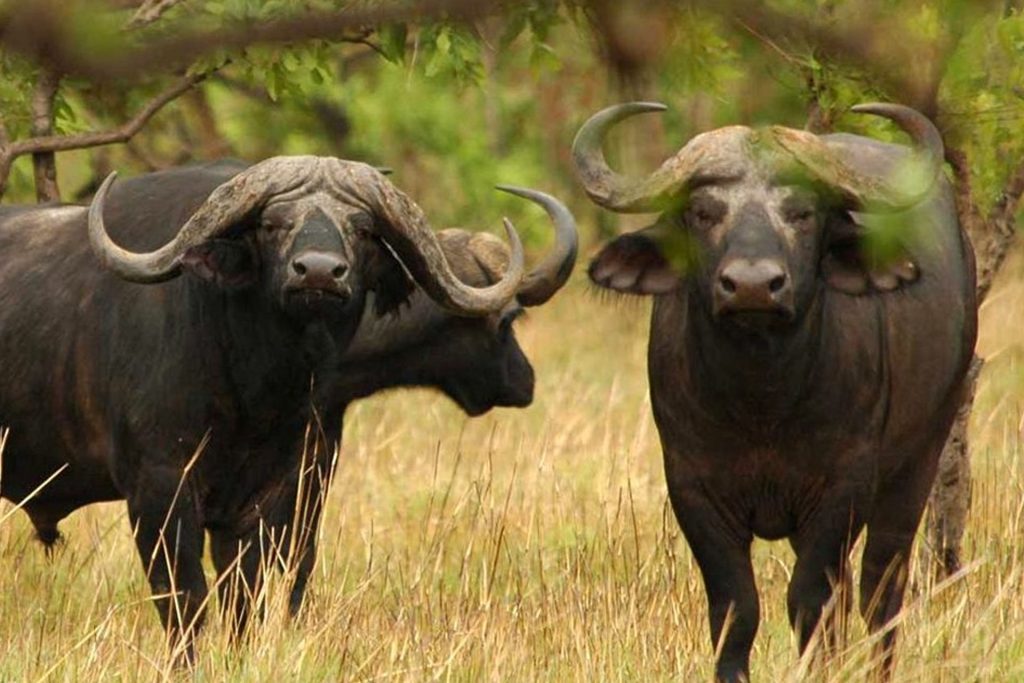
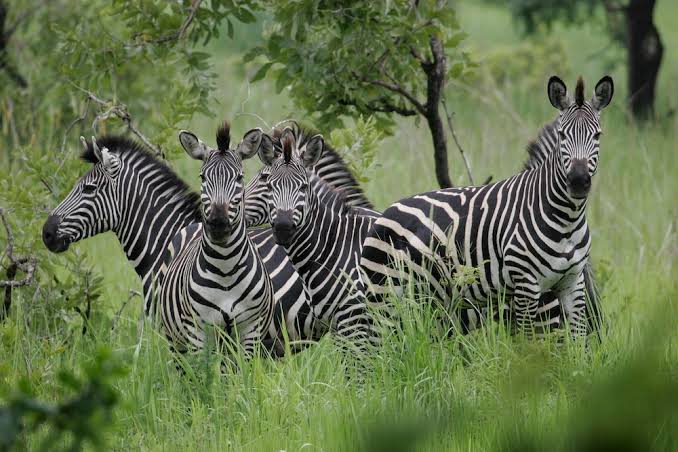
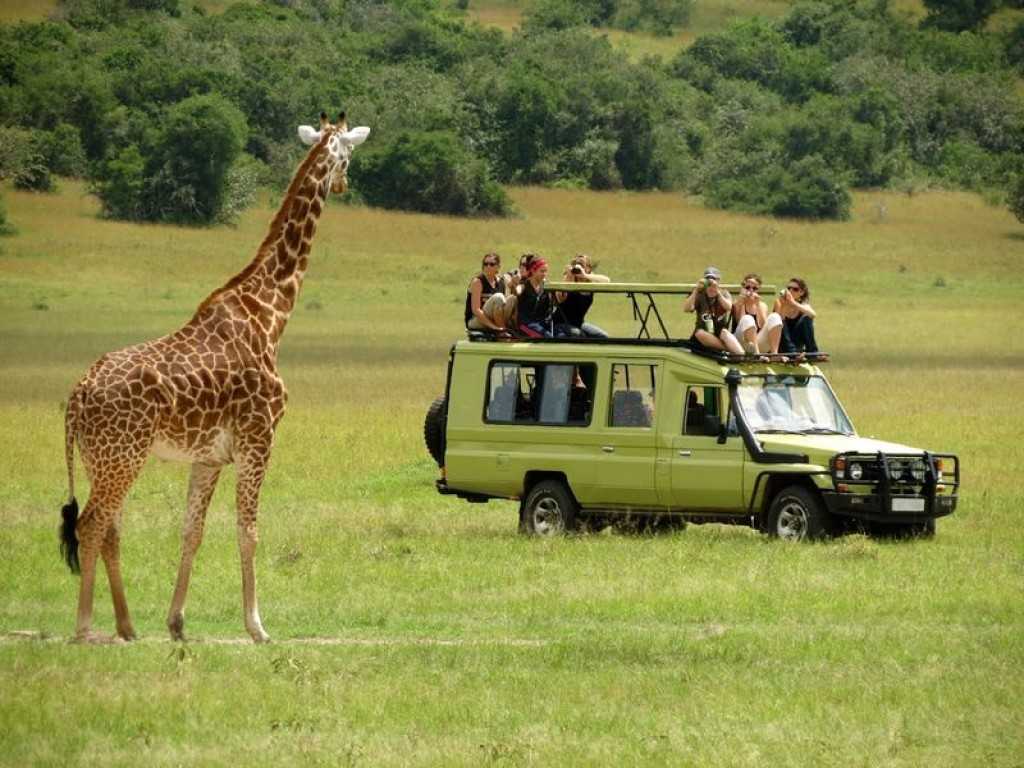
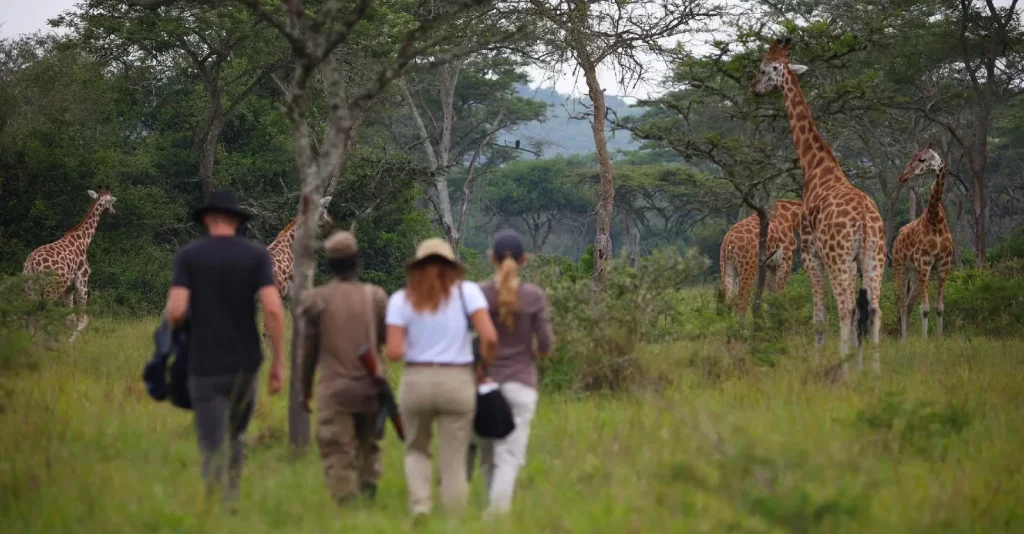
Arusha National Park supports a varied wildlife population despite the absence of large predators such as lions. The park is particularly known for its large numbers of giraffes, often seen feeding in open woodland and grassland areas. Other commonly observed species include Cape buffaloes, zebras, warthogs, waterbucks, bushbucks, blue monkeys, vervet monkeys, and olive baboons.
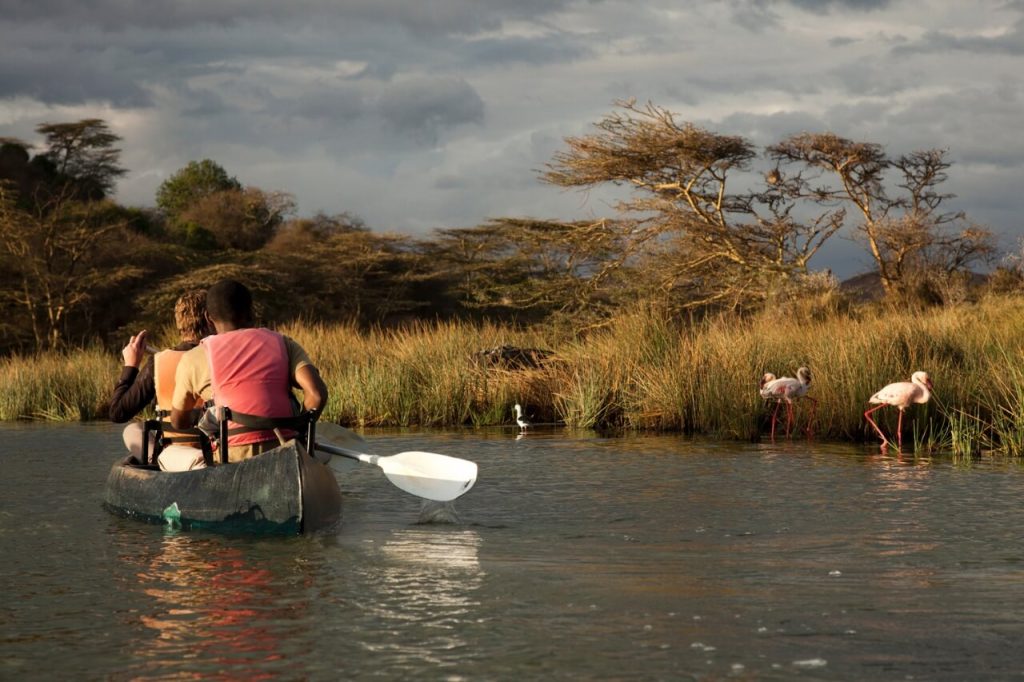
The forested slopes of Mount Meru provide great opportunities to observe the black and white colobus monkey. Birdlife is equally impressive, with more than 400 recorded species, including flamingos, herons, cormorants, African fish eagles, and numerous migratory species associated with the Momella Lakes.
Few protected areas in Tanzania contain such ecological diversity within a relatively small area. Elevation ranges from approximately 1,500 m to 4,566 m above sea level, creating unique habitat zones that support different plant and animal communities.
The lower sections feature open savannah and acacia woodland, while the foothills of Mount Meru are covered by dense montane forest. Higher elevations transition into heath and alpine vegetation. The alkaline waters of the Momella Lakes support aquatic ecosystems that attract both resident and migratory bird species.
This variation in altitude, climate, and vegetation contributes significantly to the park’s ecological richness.
A game drive in Arusha National Park offers opportunities to explore the park’s diverse habitats within a single day.
Visitors frequently encounter giraffes, buffaloes, zebras, antelopes, and a wide variety of birds while travelling between the different sections of the park.
Canoeing on the Momella Lakes offers a different perspective of the park’s wildlife and scenery. Participants may observe waterbirds, hippos, buffaloes, and giraffes from the water while enjoying clear views of Mount Meru and the surrounding landscape on clear days.
Mount Meru attracts trekkers seeking a challenging mountain experience with fewer crowds than Mount Kilimanjaro. Multi-day ascents pass through forest, heath, and alpine zones before reaching the summit, where extensive views can be enjoyed.
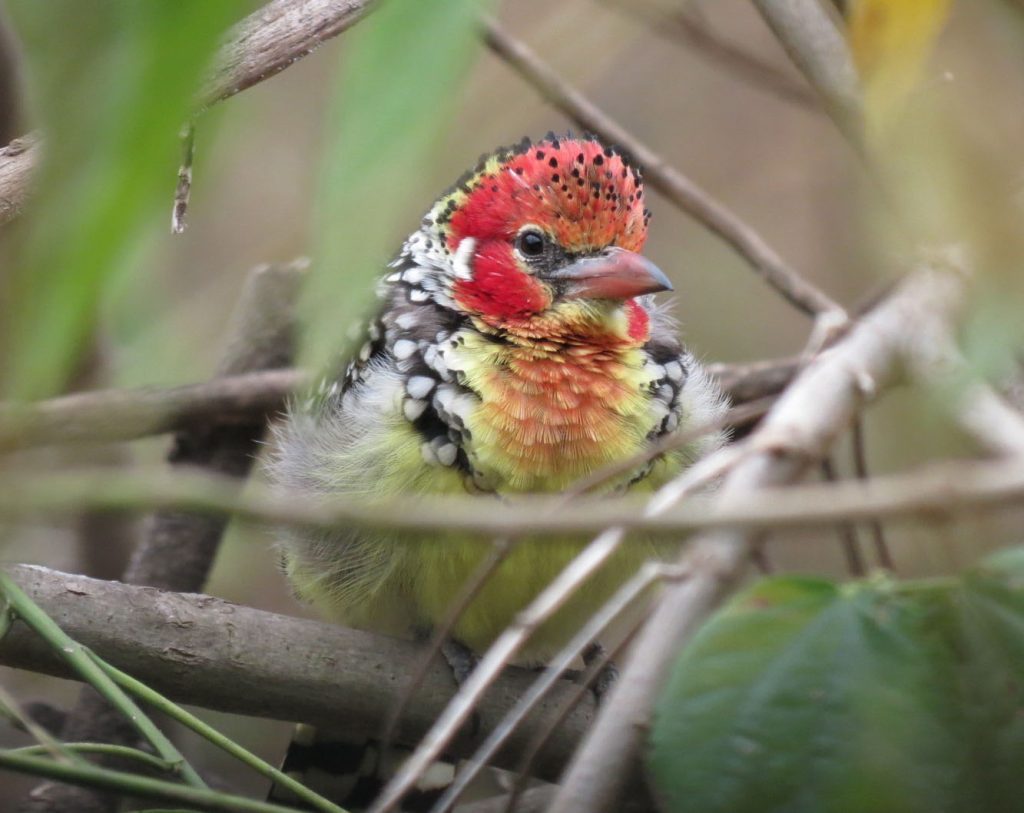
With more than 400 bird species recorded, the park ranks among the circuit’s most rewarding birding destinations. The Momella Lakes, forest habitats, and open grasslands support a wide variety of resident and migratory birds throughout different seasons of the year.
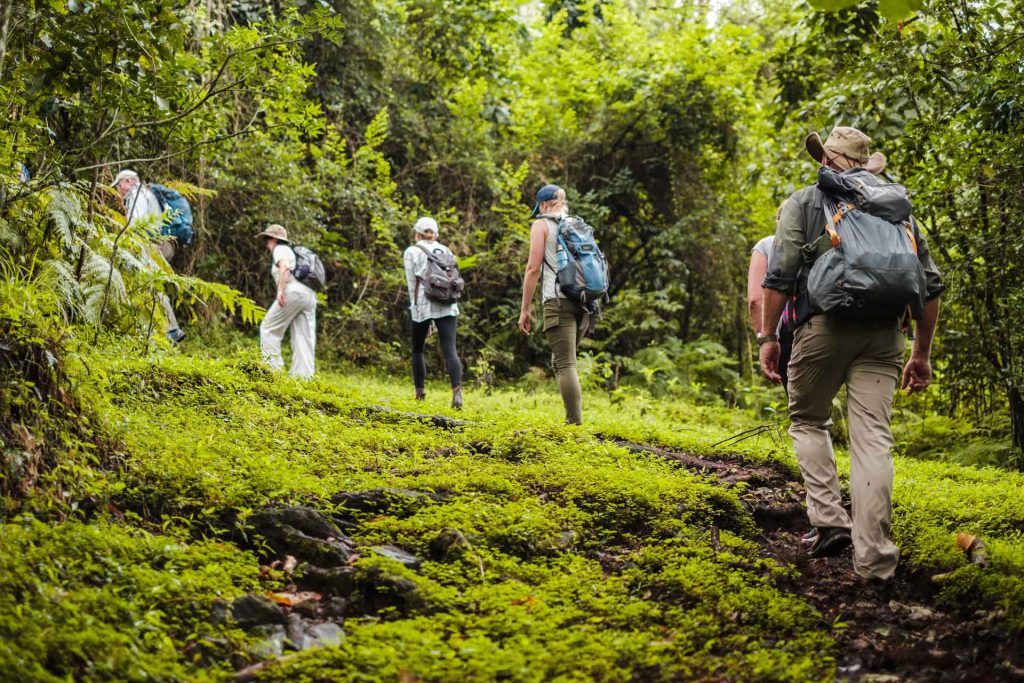
Arusha National Park is one of the few national parks in Tanzania where armed ranger guided walking safaris are regularly conducted.
These excursions allow visitors to observe wildlife, vegetation, animal tracks, and birdlife at ground level while gaining a deeper understanding of the surrounding.
Covering approximately 14,763 sq km, Serengeti National Park ranks among Africa’s most significant protected wildlife areas.
Tarangire National Park spans at approximately 2,850 sq km, making it one of Tanzania’s largest protected wildlife areas.
The Ngorongoro Conservation Area is one of Tanzania’s most remarkable safari destinations, covering approximately 8,292 sq km in the northern part of the country