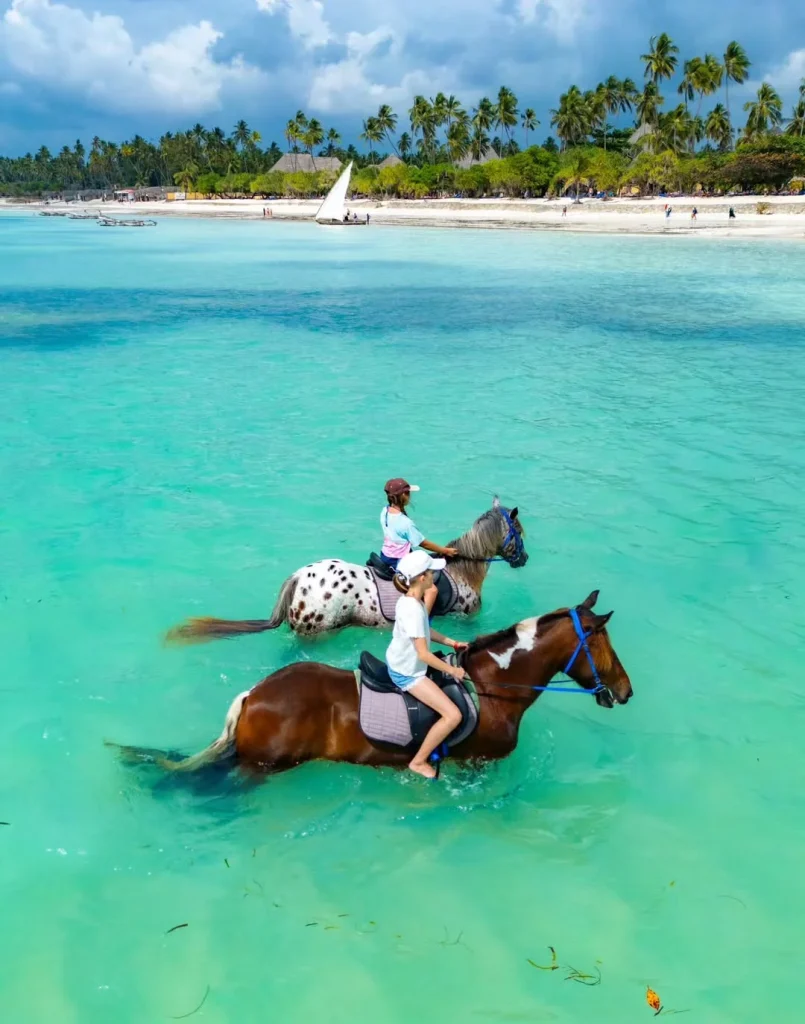
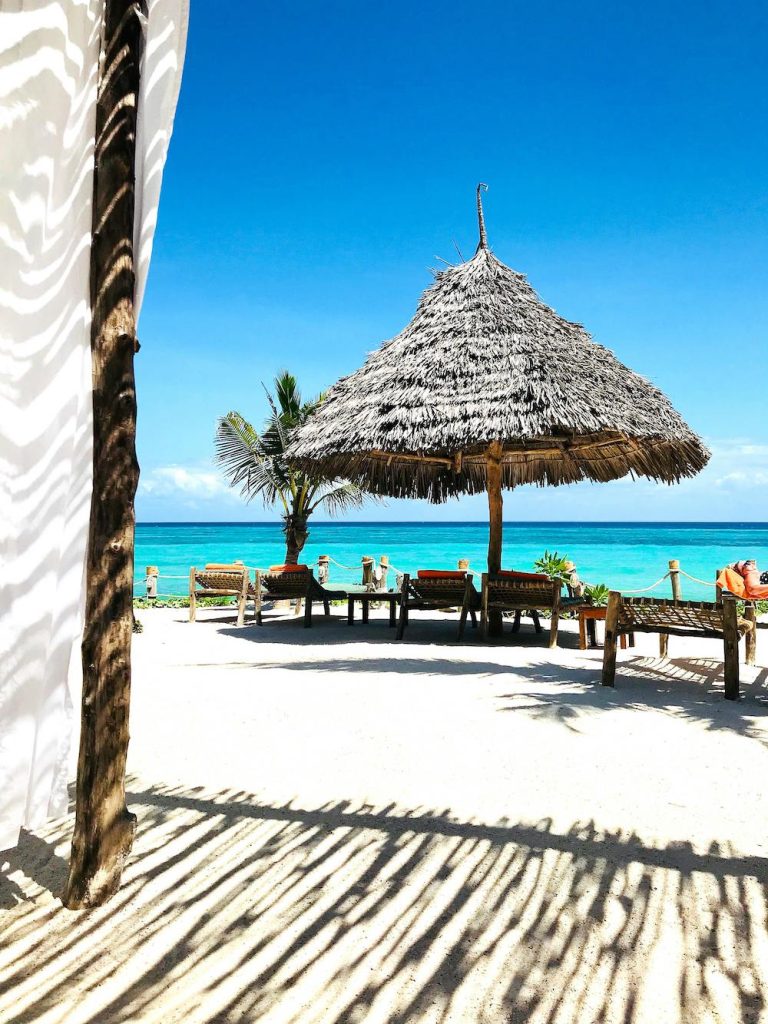


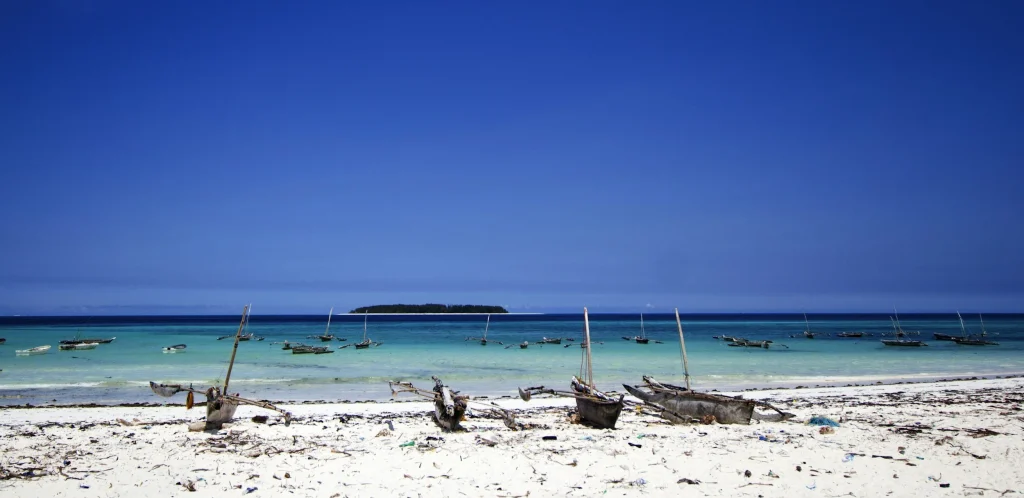
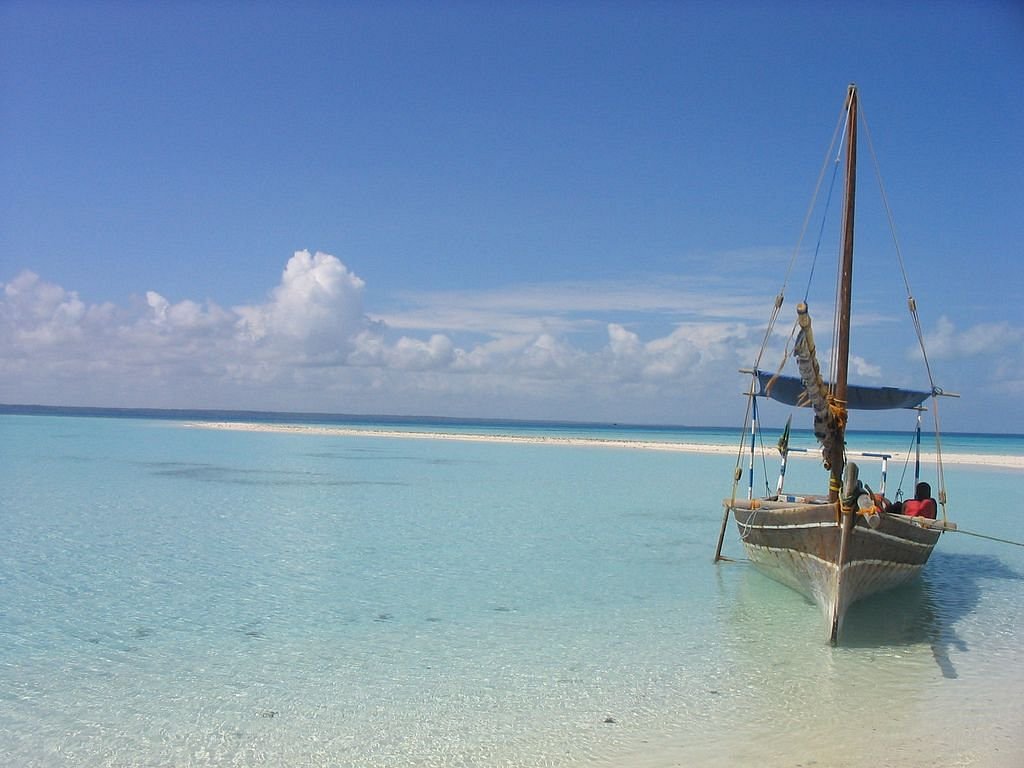
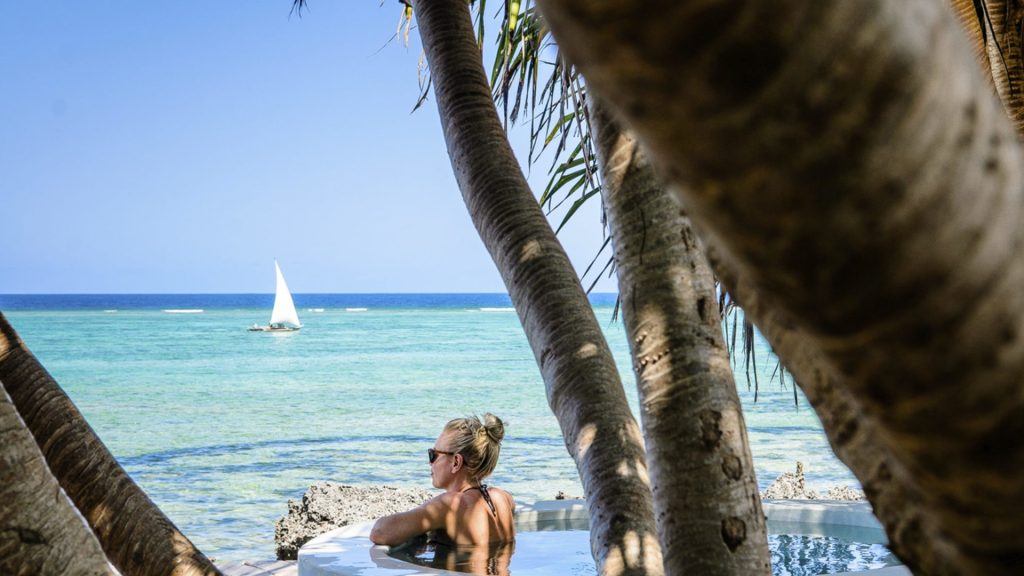
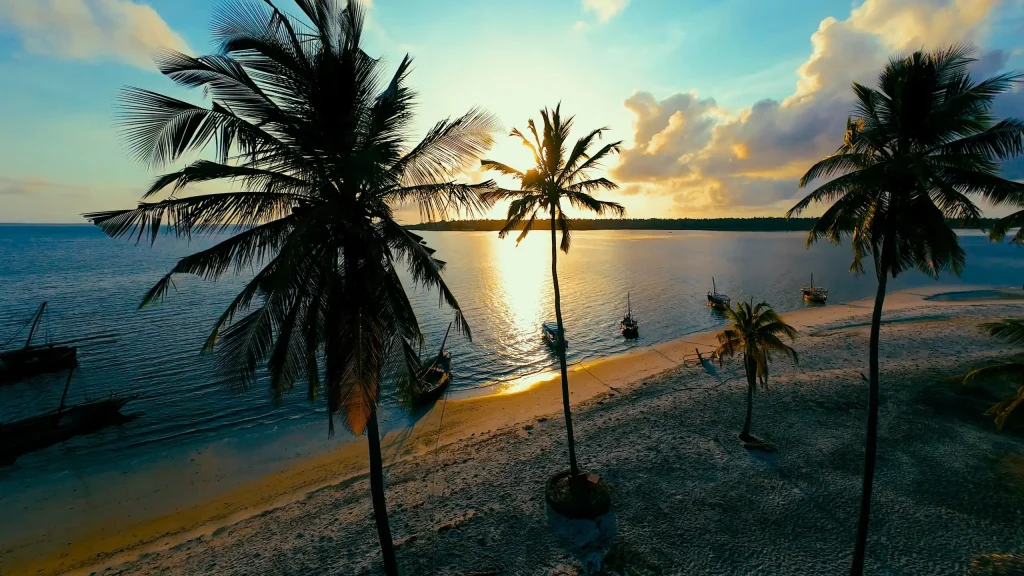


Welcome to Zanzibar! This is Tanzania’s archipelago and East Africa’s paradisiacal white sand beach destination, thanks to its powdery coral sand, warm Indian Ocean waters, and long stretches of shoreline dotted with palm trees and fishing villages.
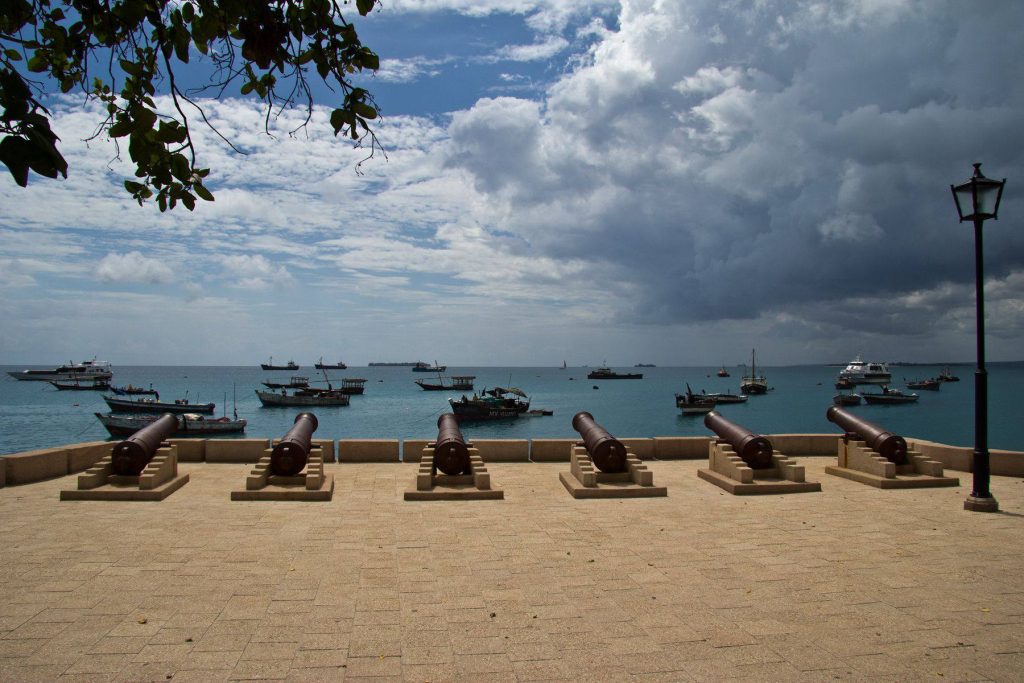
The island is also home to Stone Town, a UNESCO World Heritage Site known for its ancient coral stone buildings, historic waterfront, and streets that reward anyone willing to wander without a plan. Zanzibar reflects centuries of Swahili and Arab influence through architecture, language, food, and trade history. Often called the Spice Island, Zanzibar earned that name from its long association with cloves, nutmeg, cinnamon, and other spices that were cultivated and exported from the islands.
Many travellers add Zanzibar after a mainland safari because it offers time to slow down, swim, sail, snorkel, explore historic sites, and spend a few days by the sea. Among the most popular beaches are Nungwi, Kendwa, Paje, Jambiani, and Matemwe.
Generally the driest and coolest stretch of the year. Humidity is lower than in the long rainy season, sea conditions are often favorable for beach time and marine activities, and this period is commonly paired with northern Tanzania safari travel.
Typically warm, relatively dry weather between the long and short rainy seasons. Good for beach stays, snorkeling, diving, and coastal excursions, though temperatures can feel noticeably hotter than mid year.
The long rains. Expect higher humidity, more frequent rainfall, and rougher seas at times. Travel is still possible, but some marine activities become less predictable and a few properties may reduce operations.
The short rains. Rain usually arrives in shorter bursts than the March to May season, with many sunny periods in between. Conditions can still be good for a beach holiday, especially later in December, but weather is less consistent than June to October or January to February.
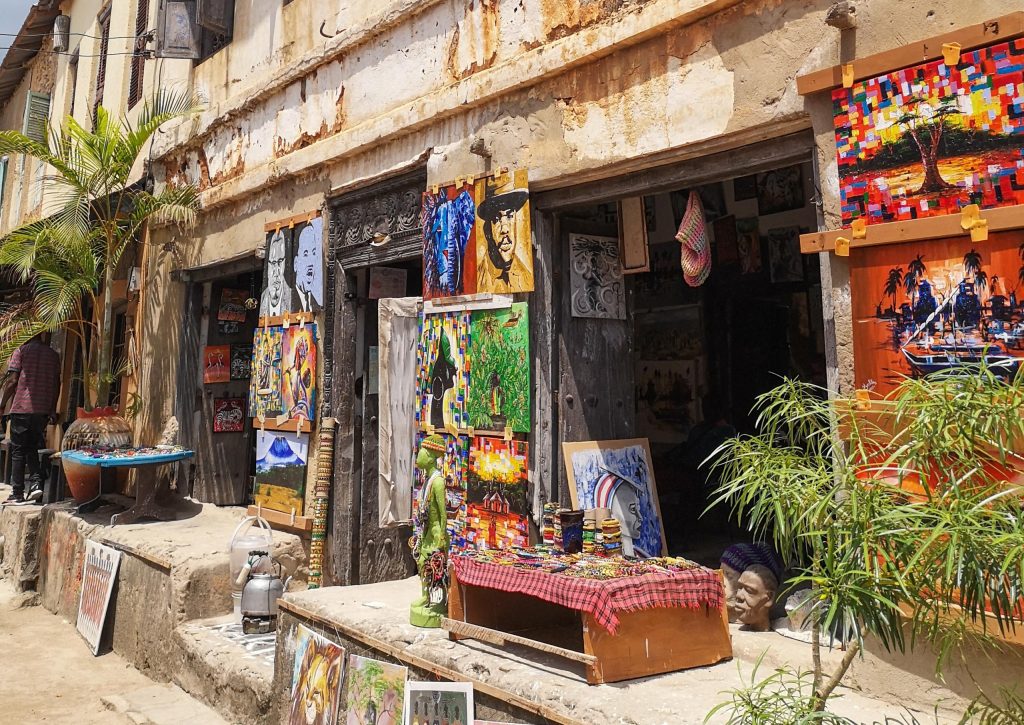
A guided walk provides historical context that is easy to miss when exploring alone. The route usually includes old merchant houses, mosques, former trading areas, and carved doors that reflect Zanzibar’s Swahili and Arab heritage.
After the guided section, many visitors spend additional time wandering the lanes independently, where getting pleasantly lost is part of the experience and often leads to small cafés, courtyards, and local shops away from the main routes.
Zanzibar’s spice farms explain why the islands became known as the Spice Island.
A typical visit includes walking through working plantations, identifying cloves, cinnamon, nutmeg, black pepper, vanilla, and tropical fruits, and learning how these crops are grown, harvested, and used in cooking and traditional practices.
The tour is practical rather than theatrical when done with a knowledgeable local guide.
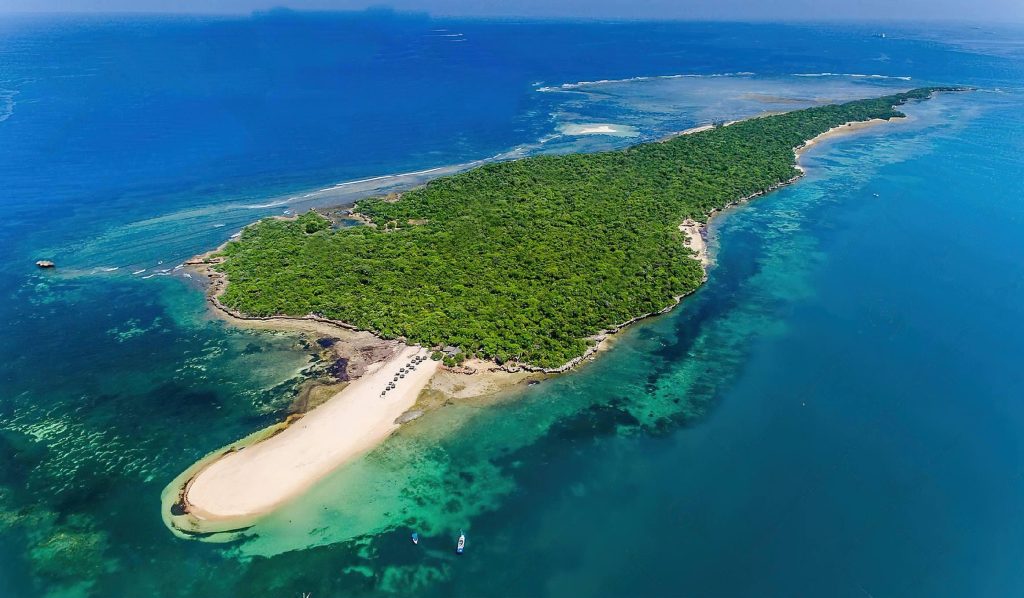
Prison Island, also called Changuu Island, is reached by a short boat trip from Stone Town.
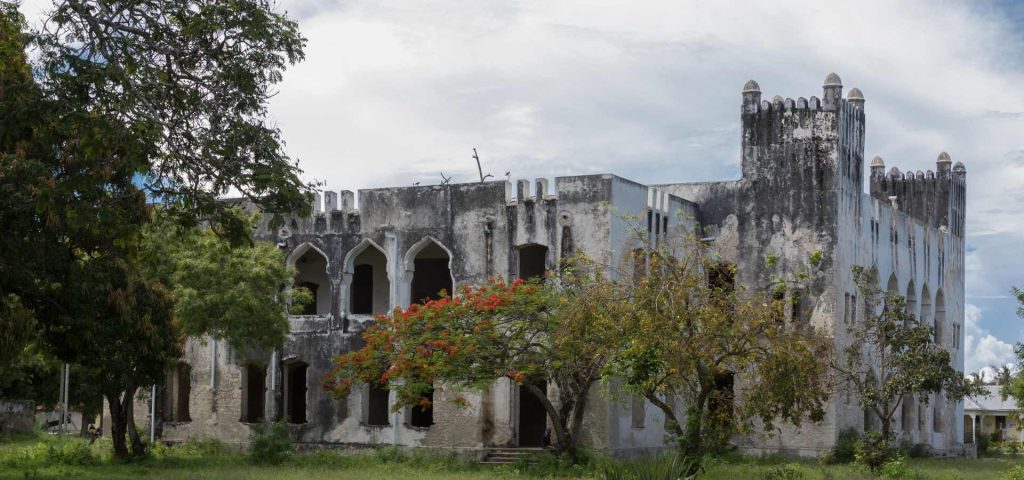
Visitors usually come for two reasons: the historical buildings associated with the island’s colonial era and the population of Aldabra giant tortoises that were introduced from the Seychelles. The island also offers swimming and light snorkeling in clear water close to the shore.
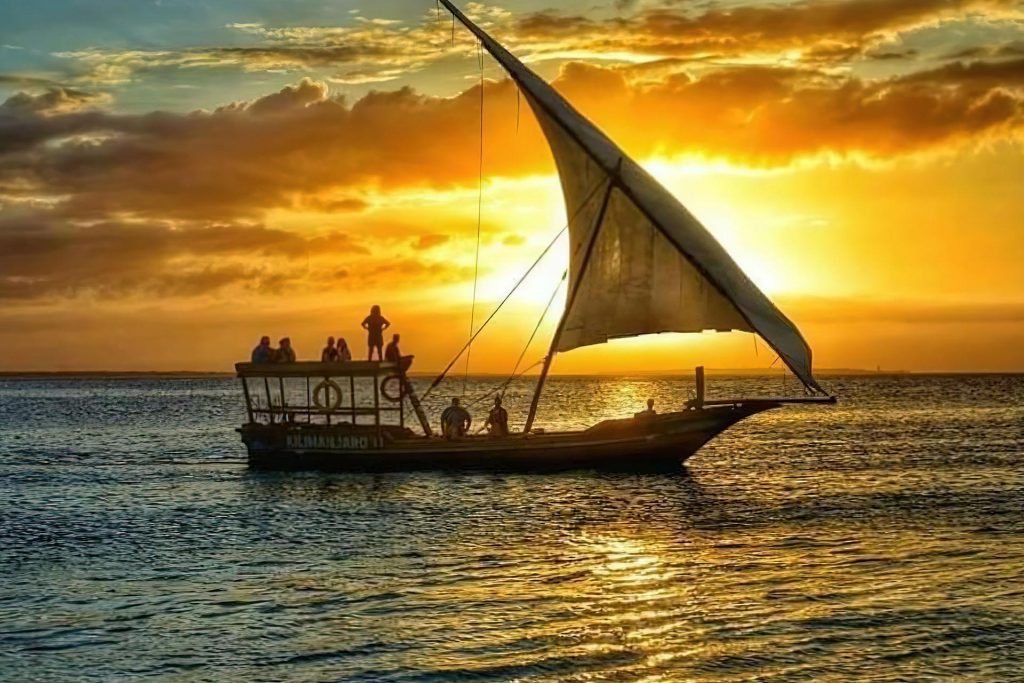
Traditional wooden dhows have sailed the Zanzibar coast for generations. Sunset cruises usually depart in the late afternoon and spend a few hours on the water while the light changes over Stone Town or the western coastline.
The experience is less about speed and more about the setting, sea breeze, and views, with some operators including simple snacks or drinks.
Jozani Chwaka Bay National Park protects the largest remaining tract of indigenous forest on Unguja Island. The main attraction is the Zanzibar red colobus monkey, an endemic primate found only on the island.
Boardwalks through mangrove habitat and forest trails provide a broader look at Zanzibar’s terrestrial ecosystems beyond the beaches.
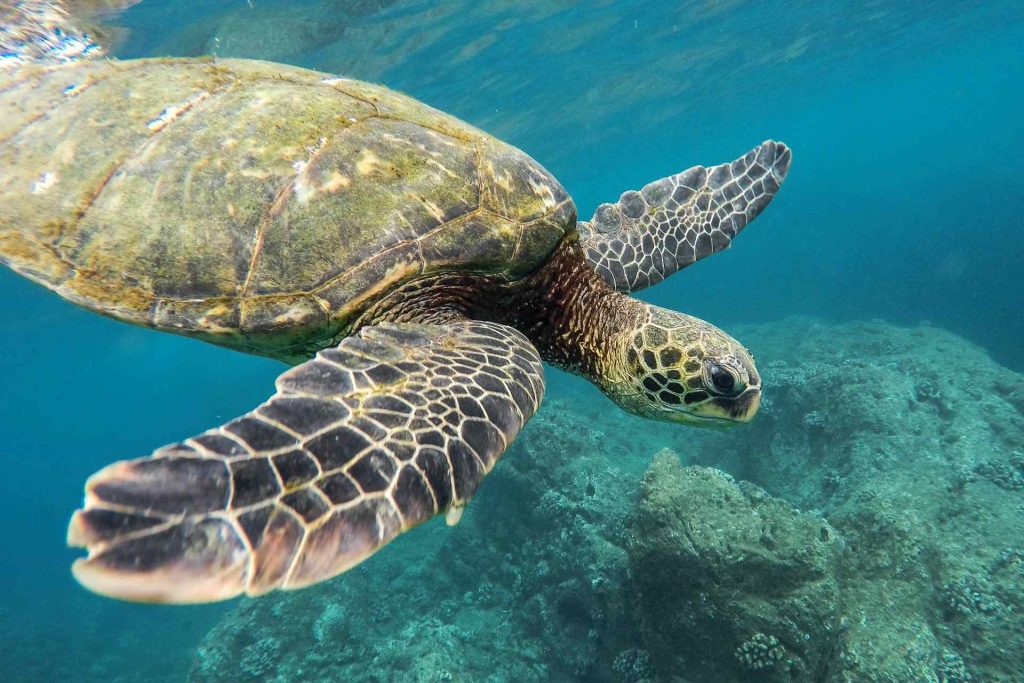
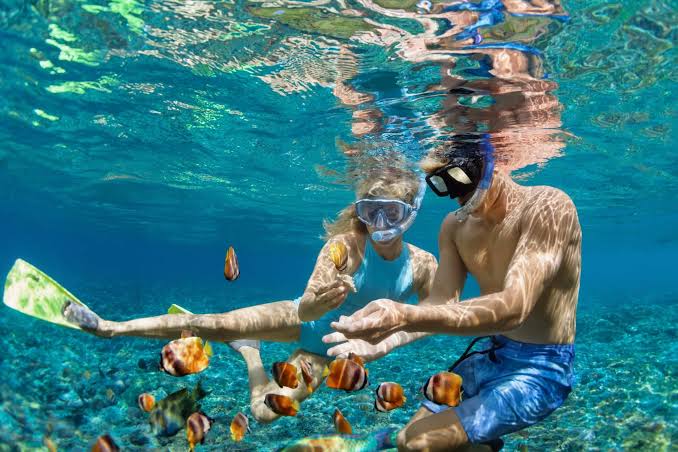
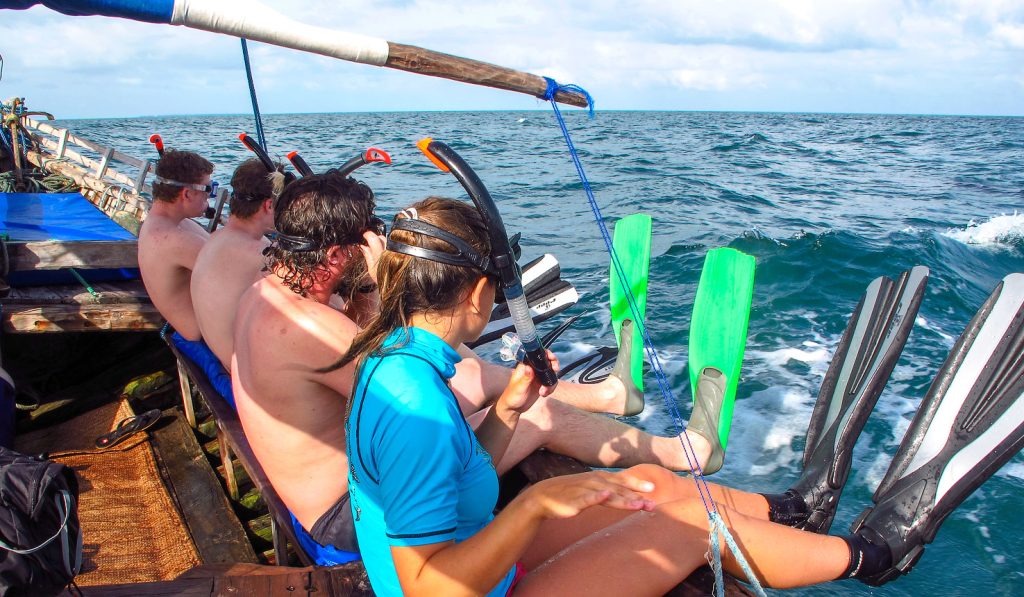
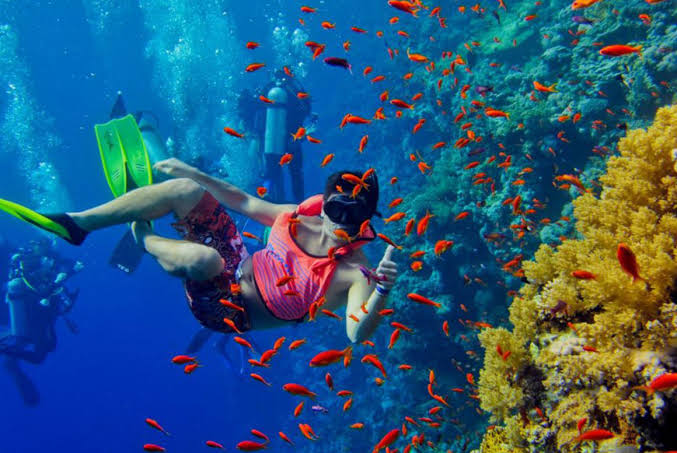
The reefs around Zanzibar support a wide range of tropical fish, corals, and other marine life.
Popular snorkeling and diving areas include Mnemba Atoll, the Matemwe coast, and several reefs off the southeast coast. Visibility is generally best in the drier months, while exact conditions vary with tides, wind, and seasonal weather patterns.
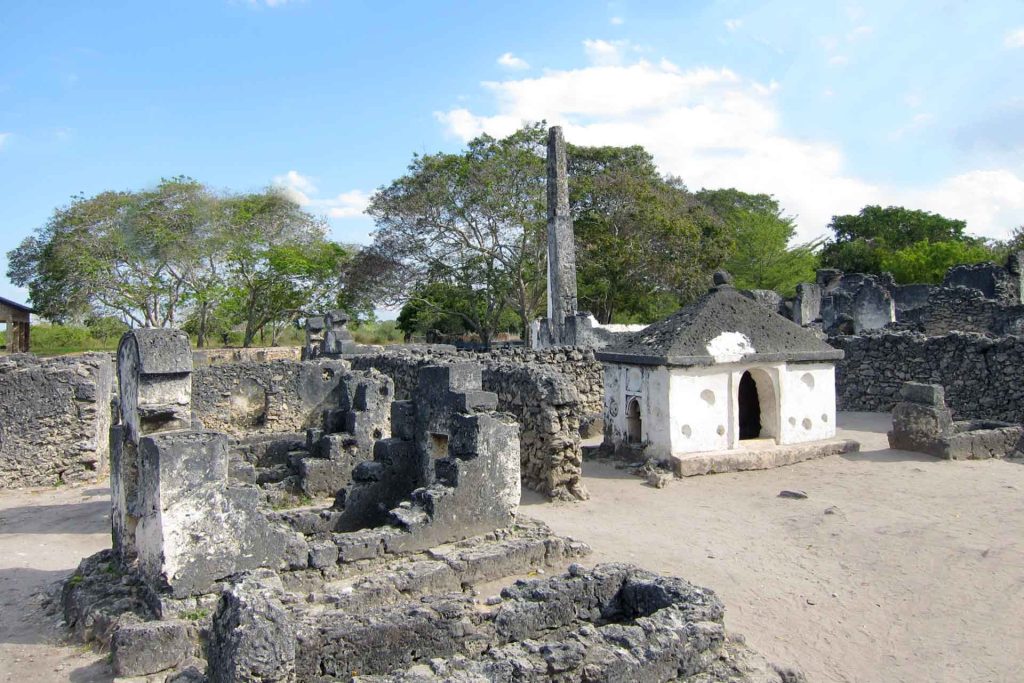
Bagamoyo is one of Tanzania’s most important coastal destinations, known for its historical significance and Swahili heritage. Located approximately 75 kilometers north of Dar es Salaam, the town played a major role in East African trade and is home to several historic landmarks, including old caravan routes, colonial era buildings, churches, mosques, and museums that provide insight into centuries of cultural exchange along the coast.
Alongside its historical attractions, Bagamoyo offers opportunities to visit nearby fishing communities, and access to local arts and cultural centers. Although it receives fewer visitors than Zanzibar, Bagamoyo remains a popular destination for travellers seeking a deeper understanding of Tanzania’s coastal history while enjoying a peaceful beach experience.
Mafia Island is a coastal destination in southern Tanzania known for its marine biodiversity, clear waters, and low key atmosphere. Part of the Mafia Archipelago, the island is famous for the protected waters of Mafia Island Marine Park, which support extensive coral reefs, seagrass beds, and a rich variety of marine life.
Visitors come to the island for snorkeling, scuba diving, sailing, sport fishing, and seasonal whale shark encounters, which rank among the area’s most sought after wildlife experiences. Beyond the coastline, Mafia offers small fishing villages, coconut plantations, mangrove forests, and a strong connection to traditional Swahili culture.
While it attracts fewer visitors than Zanzibar, Mafia Island has earned an excellent reputation among divers, marine enthusiasts, and travellers looking for a laid-back beach experience, nature and conservation.