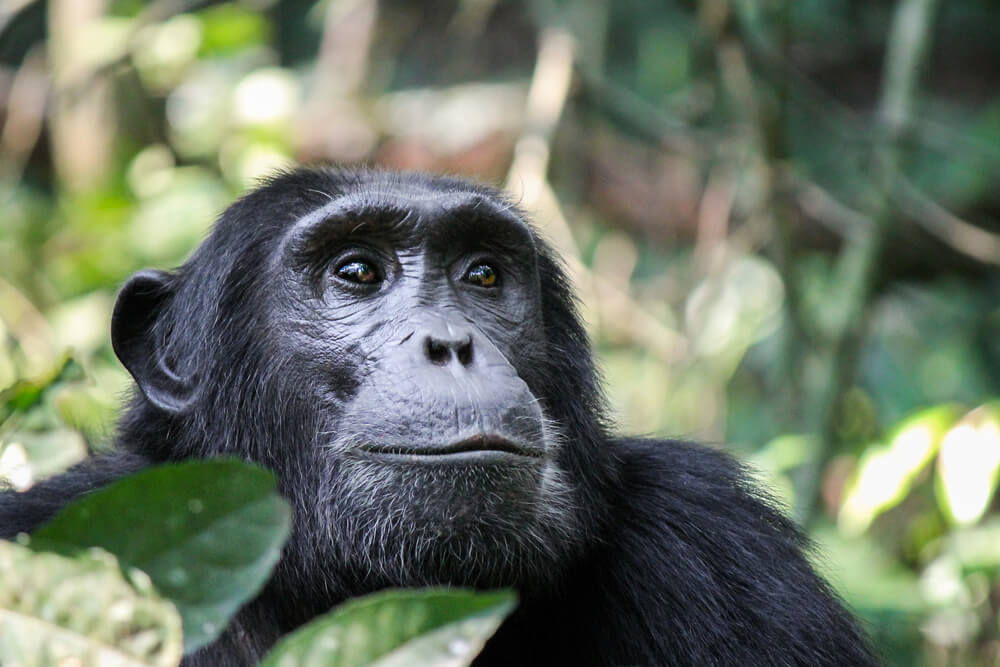
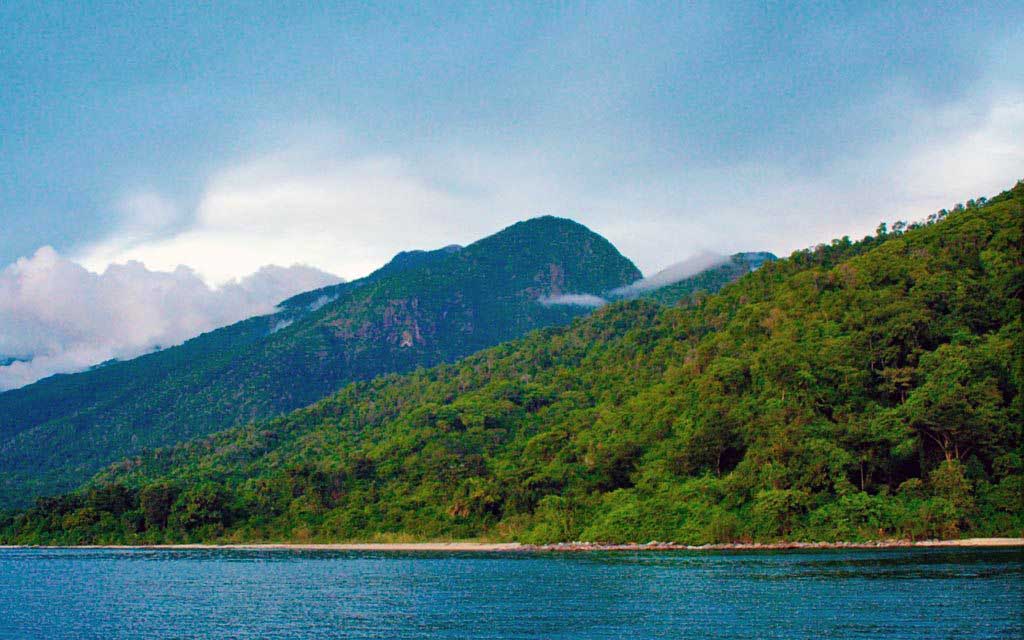
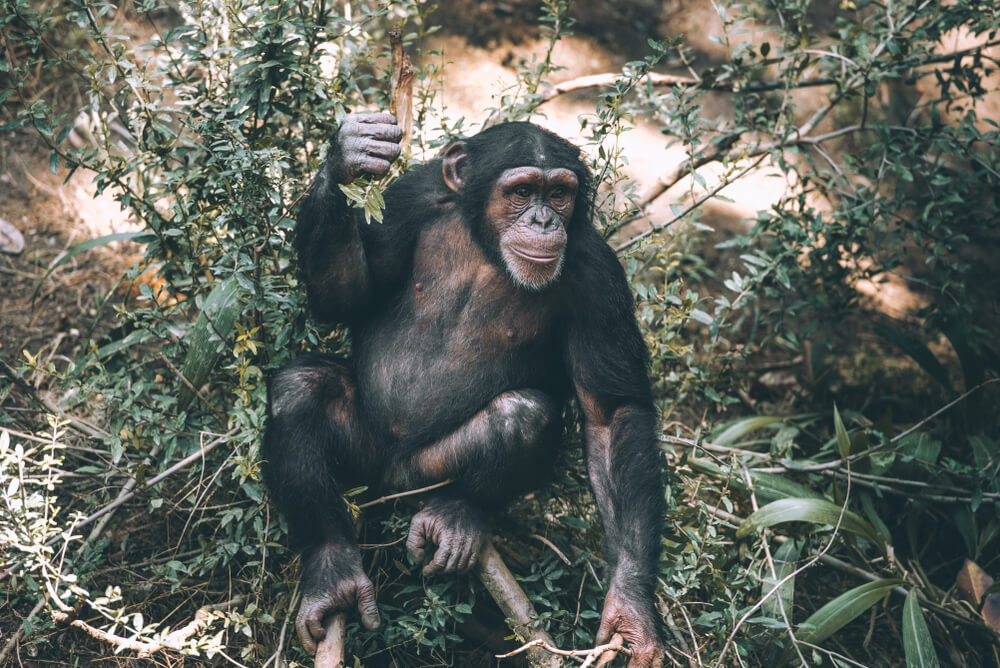
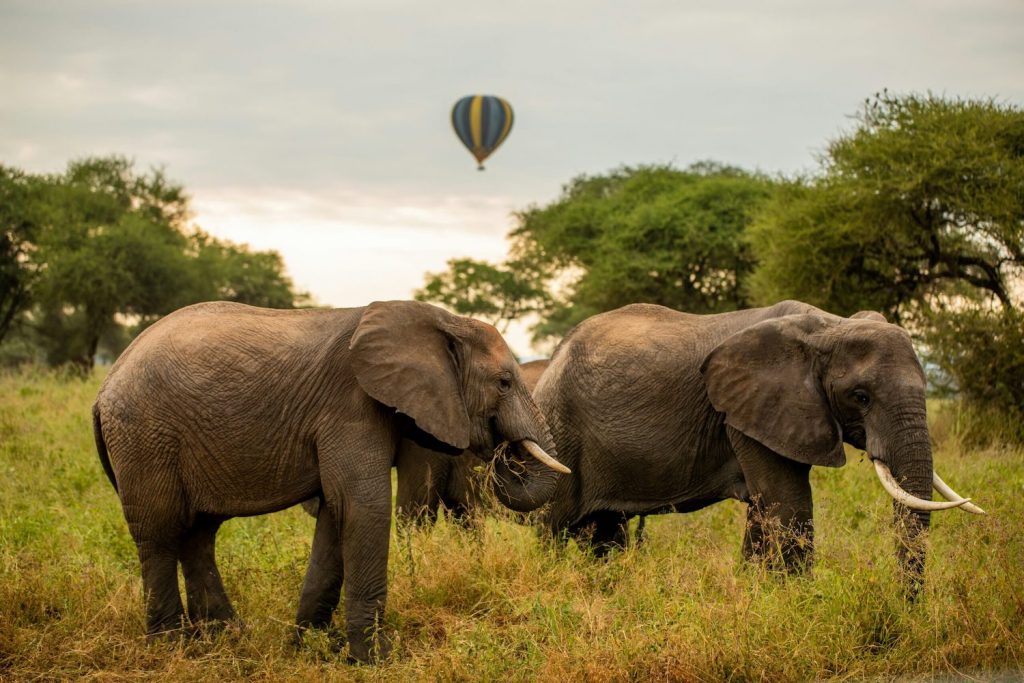

The Western Circuit is anchored by Katavi National Park, Mahale Mountains National Park, and Gombe National Park, each offering a distinctive experience. Katavi is renowned for its vast open plains, large herds of buffalo and elephants, and exceptional wildlife viewing. Mahale Mountains is famous for its habituated chimpanzees, dramatic mountain scenery, and pristine beaches along Lake Tanganyika, while Gombe is best known for its chimpanzee research and trekking experiences.
With its remote location and relatively low visitor numbers, the Western Circuit provides an authentic African wilderness experience. Visitors can explore dense forests, open grasslands, mountains, rivers, and the crystal-clear waters of Lake Tanganyika, making the region an ideal destination for travelers seeking adventure, nature, and unforgettable wildlife encounters.
The Western Circuit is home to an impressive variety of wildlife and bird species. Katavi National Park is particularly famous for large herds of buffalo, elephants, hippos, lions, leopards, and other plains game. Mahale Mountains and Gombe National Park offer exceptional opportunities to encounter chimpanzees and other forest wildlife.
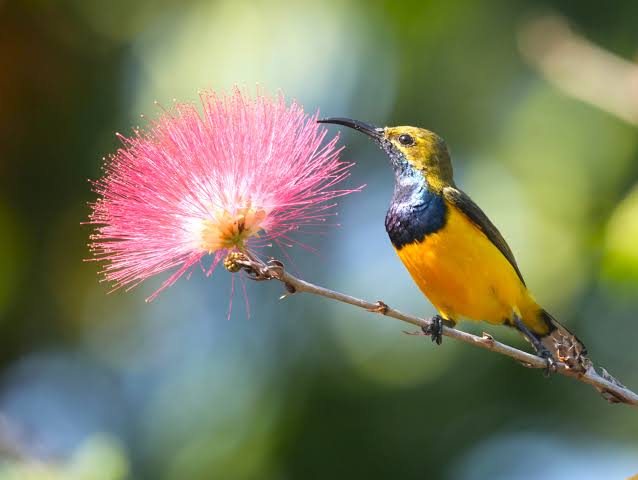
The region also supports a rich diversity of birdlife, including fish eagles, kingfishers, hornbills, storks, herons, and many colorful forest species. The combination of woodland, grassland, forest, rivers, and Lake Tanganyika creates a remarkable habitat for both wildlife and birds.
The Western Circuit of Tanzania is characterized by diverse and largely untouched ecosystems, ranging from vast savannah plains and seasonal wetlands to dense tropical forests, mountains, and the shores of Lake Tanganyika. These habitats support a remarkable variety of wildlife, including elephants, buffaloes, hippos, lions, chimpanzees, and numerous bird species.
The major ecosystems include Katavi’s savannah and floodplains, Mahale’s montane forests and Lake Tanganyika shoreline, and Gombe’s tropical forests and woodland habitats. Together, they create a unique wilderness environment that makes the Western Circuit one of Tanzania’s most rewarding destinations for wildlife, nature, and adventure.
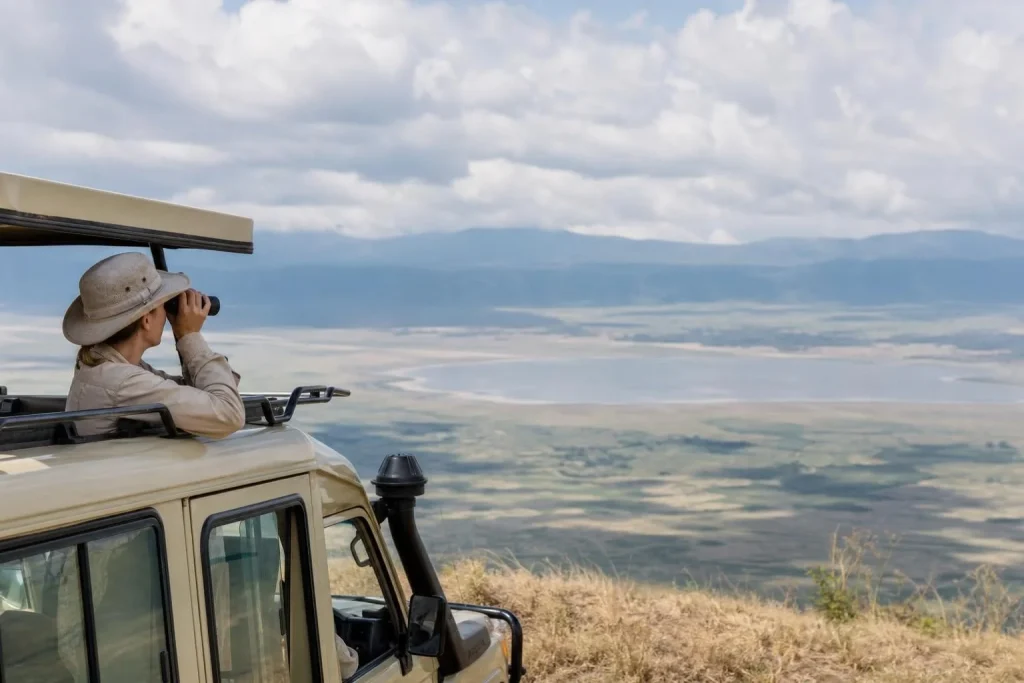
Game drives are the main safari activity in Katavi National Park, where visitors can explore vast savannah plains, woodlands, rivers, and seasonal floodplains. The area is particularly known for large concentrations of buffalo, elephants, hippos, giraffes, zebras, lions, and other wildlife.
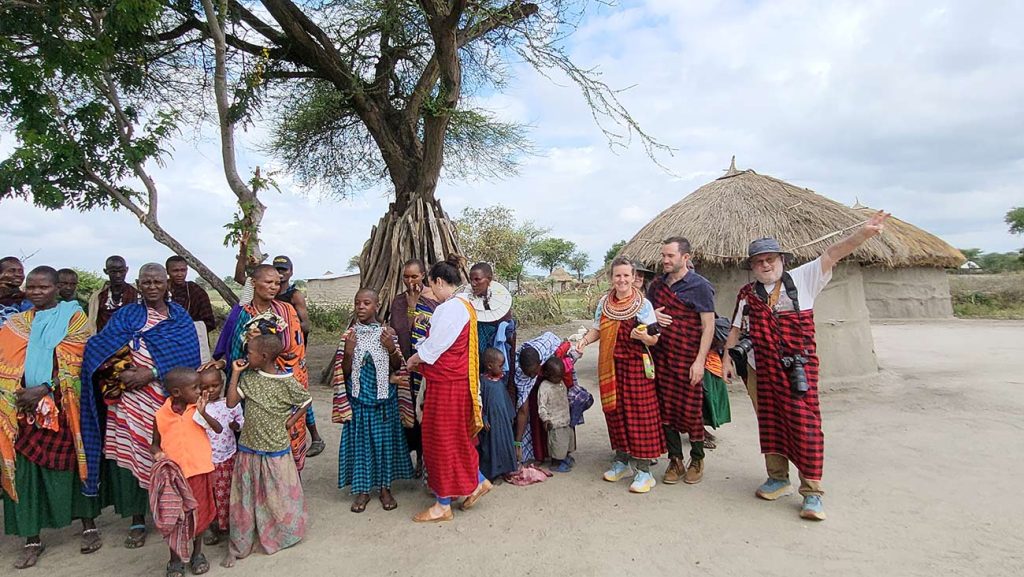
Visitors can also experience the cultures and traditions of communities living around the Western Circuit. These experiences may include meeting local people, learning about traditional lifestyles, crafts, fishing practices, and the relationship between communities and their natural environment.
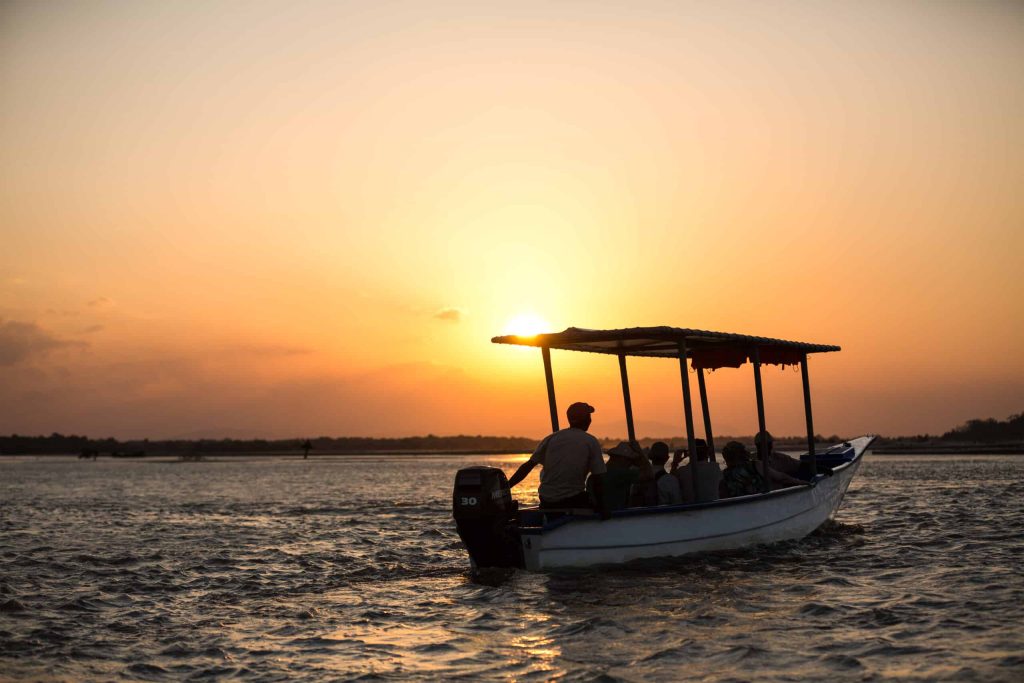
The shores of Lake Tanganyika offer a different side of the safari experience. Depending on the location and park regulations, visitors can enjoy swimming, snorkeling, kayaking, fishing, or relaxing on secluded beaches surrounded by dramatic landscapes.
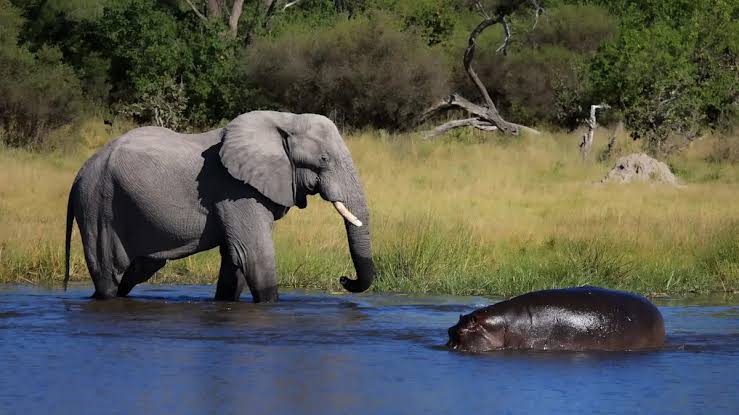
Katavi is particularly famous for its large populations of hippos and elephants. During the dry season, wildlife gathers around remaining water sources, creating excellent opportunities for close and memorable wildlife observation.
The diverse ecosystems of the Western Circuit support hundreds of bird species. Birdwatching can be enjoyed around forests, rivers, wetlands, savannahs, and Lake Tanganyika. Visitors may encounter kingfishers, fish eagles, hornbills, herons, storks, and many colorful forest birds.
Covering approximately 14,763 sq km, Serengeti National Park ranks among Africa’s most significant protected wildlife areas.
Tarangire National Park spans at approximately 2,850 sq km, making it one of Tanzania’s largest protected wildlife areas.
The Ngorongoro Conservation Area is one of Tanzania’s most remarkable safari destinations, covering approximately 8,292 sq km in the northern part of the country